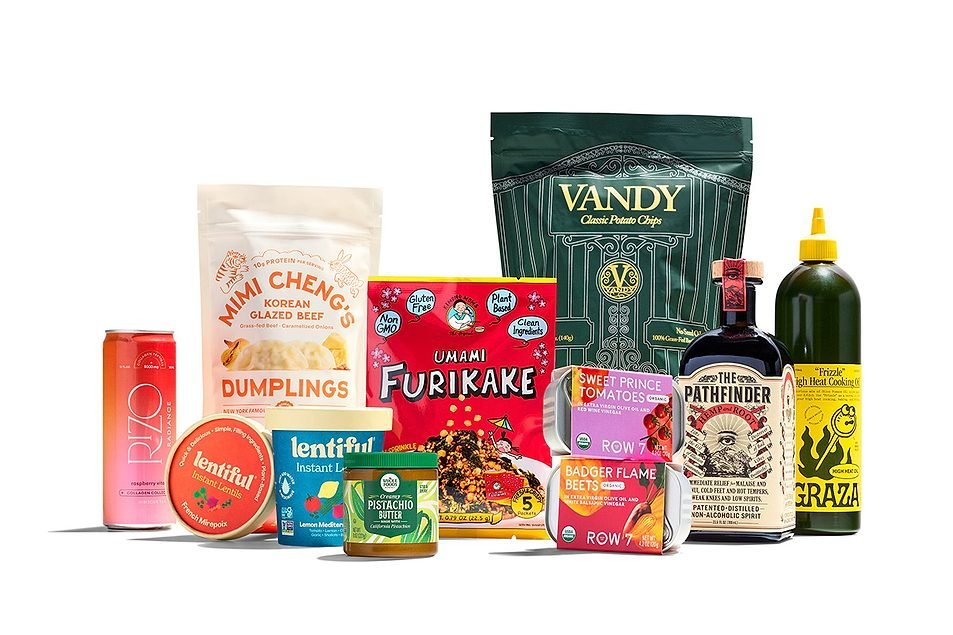
AUSTIN, TEXAS – The Whole Foods Market’s Trends Council refreshingly avoids protein and fiber as its top trends for 2027. Instead, the group focuses on regionality, beauty from within and the “yoshoku” effect as its leading trends for the year ahead.
The No. 1 trend for 2027 is provenance and protected designations of origin that are drawing customers to the flavors of regional honey, single-estate chocolate and named-source grains, according to the Trends Council.
“Brands like Jacobsen Salt Co. and Counter Culture Coffee are helping to normalize origin-specific storytelling, while Row 7 Seed Co.’s tinned produce highlights vegetables grown on specific regional farms, preserving a sense of place from field to finished product,” Whole Foods said. “The concept has even expanded into categories like seafood through the rise of ‘merroir,’ which highlights how the ocean environment influences flavor.
“Whole Foods Market is increasingly emphasizing regional identity through offerings like single-estate extra-virgin olive oils, Parmigiano Reggiano sourced from select farms in Parma, Italy, and exclusive products like Principe San Daniele prosciutto, a traditionally aged product sourced from the only Certified Humane farm in Italy.”
Trend No. 2 on the list is the impact of nutrition on skin health. The Trends Council noted how consumers are seeking products featuring collagen, antioxidants, healthy fats and hydration to support healthy skin.
“Collagen jelly sticks, skin glaze gummies, olive oil shots and ‘drink your sunscreen’ products are emerging in the beauty and wellness market, blurring the lines between snack, supplement and skin care,” Whole Foods said.
Products identified as leading the trend include Kuli Kuli Sea Moss & Blue Spirulina Superfood Gummies, True Sea Moss Mango and Pineapple Sea Moss Gel and Rizo Radiance Collagen Teas.

The “yoshoku effect” are Japanese comfort foods gaining momentum in the United States.
| Photo: Whole Foods MarketCalling the next trend the “yoshoku effect,” Whole Foods said Japanese comfort food is gaining momentum in the United States. Yoshoku is rooted in the adaptation of European and American dishes for Japanese tastes. The cuisine turns familiar formats into applications like tonkatsu (a cutlet from pork), spaghetti Napolitan, Japanese curry rice and omelet rice (omurice), and Wagyu hamburger steak.
Companies seen capitalizing on the trend include Point Reyes Farmstead Cheese with its TomaRashi Cheese and Kimono Mom’s umami sauce and umami furikake.
Ranking No. 4 on the list is “dish reinvention,” which is described as beloved dishes with a creative twist, like birria topped ramen, smashburger tacos and cinnamon roll focaccia.
The debate around ultra-processed foods is embedded in the retailer’s No. 5 trends of ingredient minimalism.
“When it comes to ingredient lists, less is becoming more,” Whole Foods said. “Fueled by viral ‘read your labels’ social content and growing scrutiny around additives and ultra-processed foods, shoppers are embracing pared down ingredient lists as a marker of quality. Manufacturers are responding by simplifying formulations, replacing once-lengthy ingredient lists with concise ones.”
The No. 6 trend on the list is “bitter done better,” which embraces the shift toward more complex flavor profiles. Bitter ingredients like fennel, pollen, tarragon, burnt sugar, licorice root, ash and quinoa have transitioned from restaurant menus to packaged products and offer consumers a bitter or herbal flavor experience, according to the Trends Council.
Sustainability shows up on the trends list under zero waste 2.0, which sees consumers looking for ways to reduce waste across their daily lives.
“Rather than viewing sustainability as a series of individual actions, shoppers are embracing more circular systems that maximize resources and minimize what ends up in landfills,” Whole Foods said. “Upcycling has moved beyond the produce department, which led this trend, to become a source of product innovation in other categories.”

Sustainability shows up on the trends list under zero waste 2.0, which sees consumers looking for ways to reduce waste across their daily lives.
| Photo: Whole Foods MarketExamples cited include Wasted Pasta, which turns unused bakery bread into pasta, and Graza, which uses olive pomace in its Frizzle cooking oil.
Finally, the Trends Council said beans will be coming back in 2027.
“Once relegated to side-dish status, beans and legumes are now claiming center-of-the-plate real estate as consumers seek whole-food sources of protein and fiber that also happen to be budget-friendly and gut-friendly,” Whole Foods said.
Products capitalizing on the trend include Loopini’s protein frozen pizza, Simpli’s regenerative organic beans, A Dozen Cousins Trini chickpea curry, and Biena Edamame Supersnacks.
“This year’s predictions reflect a real shift in how people are eating — a curiosity about origin, a willingness to try bitter and unexpected flavors, and a meaningful return to simpler, whole-food ingredients,” said Cathy Strange, ambassador of food culture for Whole Foods Market and member of the Trends Council. “Our Trends Council spends the year in the field, from farmer’s markets to trade shows to neighborhood restaurants, and the 2027 list captures just how quickly these ideas are moving from emerging concepts into everyday kitchens.”
#Foods #Market #names #2027s #top #trends
About the Author