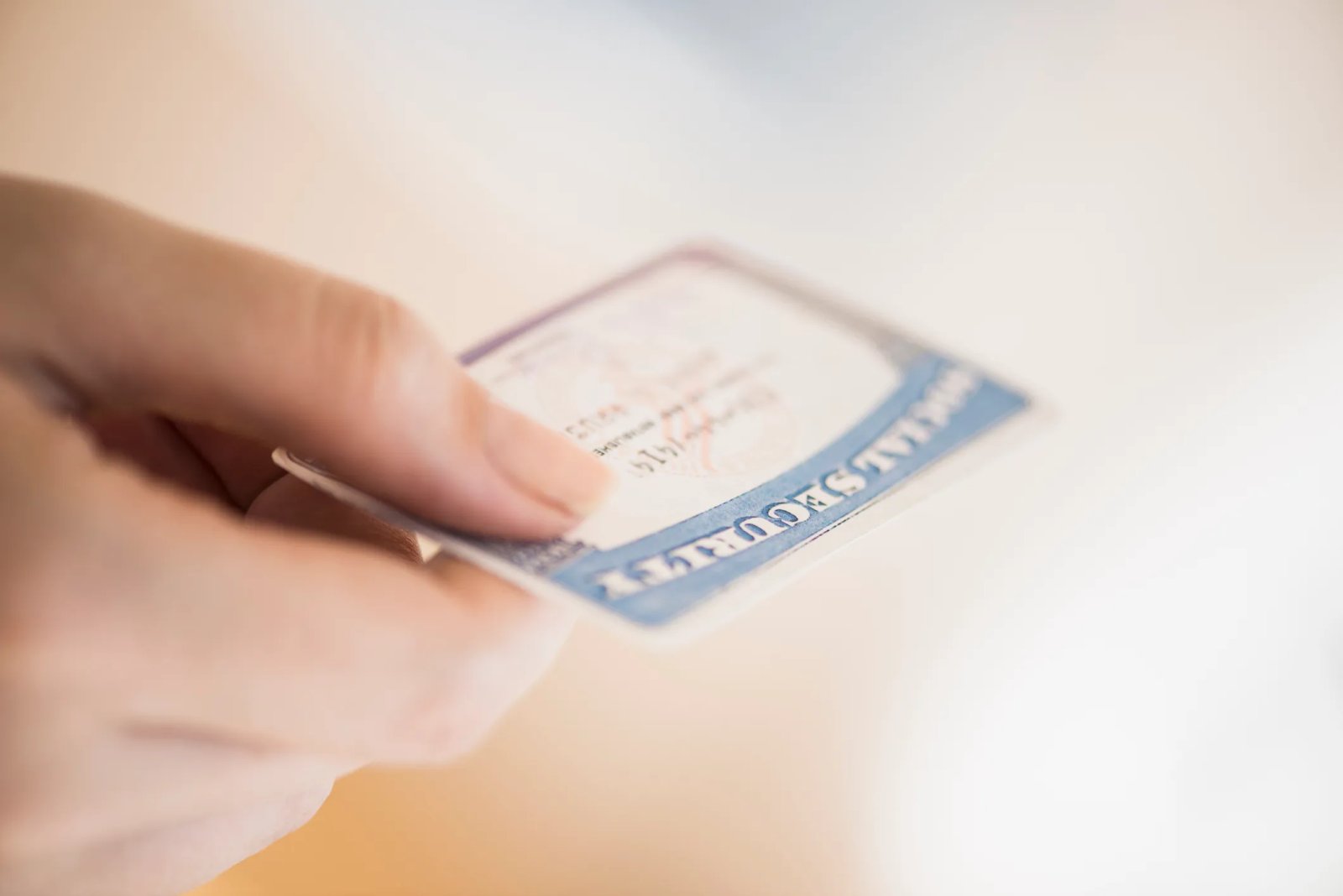
A reverse mortgage will not impact your Social Security checks since the money you receive from this financial product doesn’t count as ordinary income. But there are still considerations retirees need to make before getting a reverse mortgage.
These loans aren’t right for everyone, and they have risks that are important to understand before combining them with Social Security. Here’s what you need to know.
How a reverse mortgage works
A reverse mortgage, also known as a home equity conversion mortgage, is for people who are 62 years or older and have amassed significant equity in their home. These loans allow homeowners to convert part of their home equity into a payout without needing to make the monthly payments that come from a traditional mortgage.
Generally, you only have to repay a reverse mortgage when you sell, move out or pass away, and you can only use this financial product for your primary residence. However, you are still responsible for taxes, insurance and upkeep.
Where they work together
Taking out a reverse mortgage at 62 provides an extra income source, which can be especially useful for retirees. Since you don’t have monthly mortgage payments, it’s possible to use the reverse mortgage to cover your monthly expenses.
That may mean that a reverse mortgage can help you delay claiming Social Security. Waiting to claim Social Security until you turn 70 will allow you to receive the highest possible check. However, it’s often not the right move. The Consumer Financial Protection Bureau warns that “in general, the cost of a reverse mortgage loan will exceed the additional amount of increased Social Security benefits you would collect over your lifetime.” That’s due to increasing interest and fees each month.
The exception: SSI and Medicaid
If you receive Medicaid or Supplemental Security Income, you have to be a little more careful about reverse mortgages. If there are any remaining funds from your reverse mortgage in your bank account by the end of the month, it gets counted as an asset.
For instance, if you receive a $3,000 reverse mortgage payment and spend $2,500, the remaining $500 in your bank account will count as an asset. SSI and Medicaid may be suspended if you have more than $2,000 in individual assets, and you may only get them back if your assets are below $2,000 again.
Costs and heirs
While a reverse mortgage is complementary to Social Security, this financial product can come at a cost for your heirs. If you want to pass your home down to your children, a reverse mortgage’s upfront fees and rising loan balance can create an uphill battle.
The debt will be due right away upon your passing, so your children may not be able to afford the house that was meant to be an inheritance. That means they might have to sell the property and only receive the difference between the selling price and the accrued reverse mortgage balance.
You are required to speak with a Department of Housing and Urban Development (HUD) counselor before taking out a reverse mortgage. That session can give you an overview of what to expect with this financial product and some viable alternatives to consider.
#Social #Security #Reverse #Mortgage #Mix
About the Author