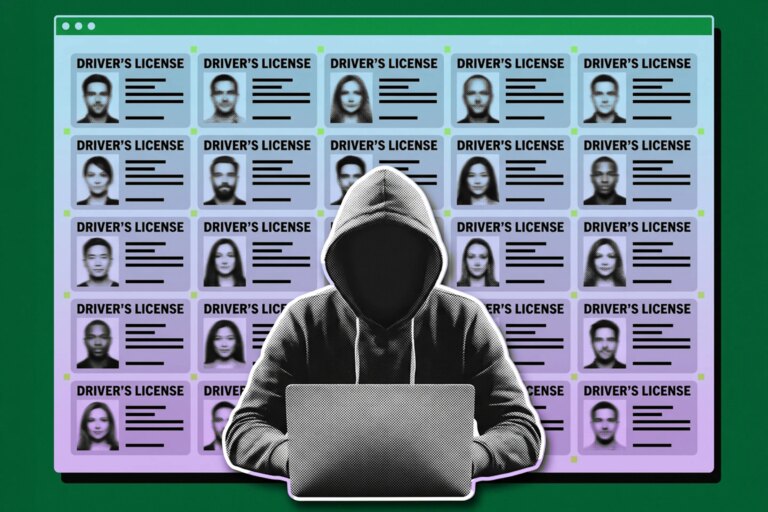
You may not think about what information that would show up on a background check until it’s time to apply for a job, rent an apartment unit or secure a volunteer role. But if you don’t know what’s popping up for potential employers and landlords, there’s no way to correct wrong information.
Here’s what a background check actually is, and why it’s important to know what they entail.
What ‘background check’ really means
A background check shows both basic information (like your full name and age) as well as details about your employment history, education and more. These checks will also be different depending on what type someone has requested. Here are some examples of what you might find:
- Employment checks: Criminal records, identity verification, past addresses, education or employment verification and driving records for certain roles may appear.
- Tenant screening reports: Eviction filings, rental history, address history and credit-related information may show up.
- Other specialty reports: These additional reports vary but can include professional licenses, check-writing history or other records tied to a specific purpose.
Anyone who is running a background check must have a permissible purpose under the Fair Credit Reporting Act. The Federal Trade Commission (FTC) has also released guides that highlight your rights during tenant background checks and employer background checks.
Why you should run one on yourself
Employers, landlords and other people may request your background check when you apply for something. They will see all of your history and other data points, but they won’t know if those background checks are accurate.
Mixed-up records, outdated information and resolved issues still appearing can impact your applications. But you can dispute these errors.
The Consumer Financial Protection Bureau has a guide on how you can dispute credit report errors, and you can also dispute tenant background check errors by following the steps on the FTC’s website. These measures can help ensure the person who receives your background documents is assessing accurate information instead of flawed details that can hurt your chances of landing a job or securing a lease.
Reviewing copies of your credit and specialty consumer reports will offer a lot of insight into what an employer will see when they run a background check. Some jobs will also check driving, licensing or credentials if they are necessary to perform the role. You should also request and review tenant-screening information if you are hunting for an apartment.
Once you obtain these documents, the key is to review them for any inaccurate information, such as missing addresses, inaccurate personal details and duplicate records. Dispute any errors in writing and assemble documents to back your claims. The CFPB has sample dispute letters you can use to save time.
#Background #Check #Reveals
About the Author