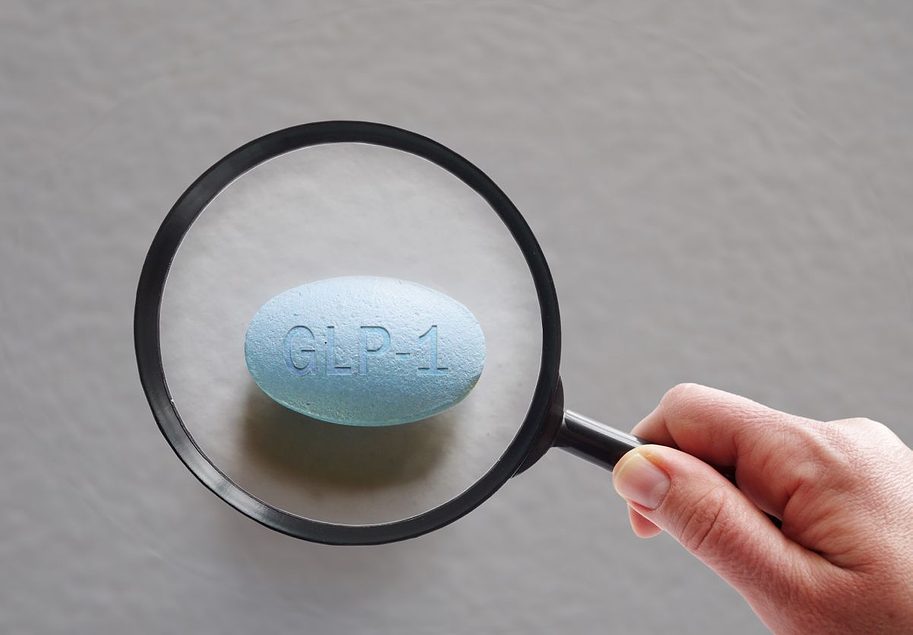
MCLEAN, VA. — Eleven percent of the US population has taken GLP-1 drugs for diabetes or weight reduction, and, as a result, have been spending less on food and consuming fewer calories. In fact, GLP-1 users are consuming 21% fewer calories and spending 31% less on groceries, according to an analysis done by J.P. Morgan Global Research.
The shift is particularly pronounced during the first six months of a consumer being prescribed a GLP-1 drug, according to recent research from Cornell University. That’s because spending patterns often are altered for the entire household and not just for the individual with the prescription.
Such households trim grocery spending by 5.3% on average during the first six months on the medication (8% for higher-income households), the Cornell research found, and spending at coffee shops, fast-food restaurants and other limited-service eateries drops by around 8%.
“Put this together, and it’s not hard to see how there might be 10% of the population buying 20% less food, which translates to a 2% overall drop in food purchases — a big enough impact to gain the food industry’s attention and encourage new strategies,” according to a recent article from Colin Guheen and Paul Baisley, co-heads of Capital One’s food, beverage and agribusiness group.
New innovations and marketing strategies are likely to become even more important since estimates are the total number of GLP-1 users could climb to 30 million by 2030, presenting an even greater revenue challenge to the consumer packaged goods (CPG) industry.
The ‘longevity dividend’
Guheen and Baisley, however, see a silver lining among the clouds. They suggest that a “longevity dividend” is at play whereby GLP-1 users living longer due to weight loss and healthier eating habits end up buying more food over time.
“A low BMI (body mass index) means longer lives,” Guheen told Food Business News. “The second thing you’re seeing is a highly engaged demographic that is reshaping the way they do things. With population growth, longevity is a big positive for the food industry over time.”
The two said the CPG manufacturers they’ve talked to about the longevity dividend are gathering information and surveying consumers to determine “where the puck is going” next as far as new products that will appeal to those taking GLP-1s.
In the near term, the most significant challenge facing food and beverage manufacturers is understanding the GLP-1 consumer.
“Consumers on GLP-1s are much more educated, but where are they spending their money?” Baisley asked.
Research the two cited from Cornell and Numerator showed GLP-1 users are buying more yogurt, meat snacks, candy, fruit and deli items and fewer salty snacks, sweet bakery items, eggs, vegetables and cheese.
Following the first year on GLP-1 drugs, when food consumption and purchases drop, there’s a post-adoption rebound that could present a rare opportunity for food companies to take advantage of behavioral changes, they said. The consumers who use GLP-1s may be more willing to try new products, they added, and those CPG items marketed as high protein, high fiber, nutrient added and GLP-1 friendly are currently selling well.

The use of GLP-1 medications may create a “longevity dividend” as consumers lose weight and reduce the incidence of chronic diseases.
| Photo: ©LORDN – STOCK.ADOBE.COMGuheen said products including fiber and protein also may become more relevant, although he noted the market is in the early stages of reacting to the trends.
“Winning looks like how do you reformulate to the conditions that are working,” he said, adding, “A lot of these trends are fighting each other in the market.”
The appeal of personalization
Tailoring CPG products to individual needs and interests was a winning theme before the development of GLP-1 drugs and has only accelerated since then, Guheen said.
“This industry knows how to evolve and get the balance right,” he said.
Baisley pointed out personalization comes on the heels of many other trends that have been used to sell CPG products, including organic or private label.
“I remember private label years ago was a blank box,” he said. “Now it’s an entire brand category.”
For the Capital One food, beverage and agribusiness group, the longer-term influence of GLP-1 users on the CPG industry may turn out to be a positive. It likely will depend on how many users stay on the drugs, and how many continue the healthier habits they adopt through their weight-loss journey — and if they consequently end up living longer.
Baisley said they’re still in a wait-and-see posture to find out which products are going to be big and how the growing adoption of GLP-1s plays out.
“Even a year ago, people would say they lost weight and they aren’t on the drug,” he said. “It doesn’t have that stigma today. A more educated consumer is going to be a good thing for the industry.”
Guheen said it’s early in the cycle, and that successful strategies are not exclusive to GLP-1 users but for all segments of consumers.
“The innovation engine is still working, and it’s time to get back on offense,” he said. “We’re optimistic over the next five years or so.”
#Uncertainty #surrounds #GLP1 #consumer
About the Author