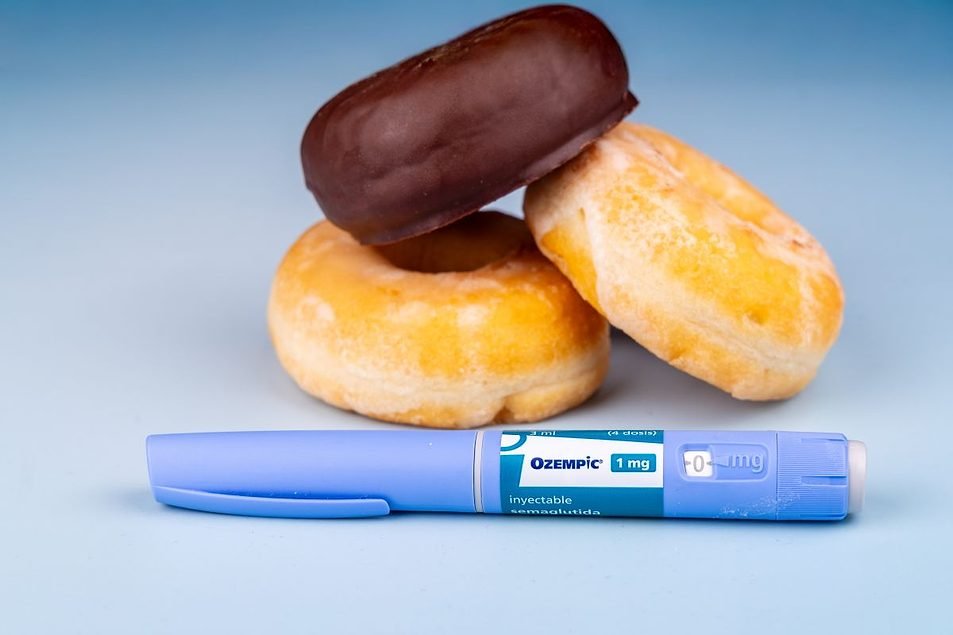
NEW YORK — Consumption of sweet and salty snacks has taken a hit as Americans’ use of GLP-1 appetite-suppressing drugs has nearly tripled over the past two years, new research from the consultancy EY-Parthenon found.
Twenty-one percent of US adults have tried GLP-1s, up from 8% in 2024, according to the EY-Parthenon GLP-1 Consumer Impact Report, released Oct. 22. The growth reflects the surging use of the medications for weight loss. The research revealed that, for the first time, more than half (54%) of US GLP-1 users take the drugs mainly for weight management, exceeding the usage for diabetes and other health conditions. EY-Parthenon said the study included 14,883 survey respondents from the general population and 3,602 current or former GLP-1 users.
The rising adoption of GLP-1s for weight control is changing US consumers’ food habits, as those taking the medications opt for nutrition-focused offerings over indulgent items, the study said. Almost two-thirds (63%) of users said they eat fewer sweet snacks, and over half (57%) have cut back on salty snacks. Conversely, users indicated they’re eating more fresh produce (66%) and protein (61%).
Likewise, GLP-1 users have changed their approach to beverages. Just over half of users (51%) said they consume fewer soft drinks, and 44% report drinking more functional beverages. At the same time, 45% said they’ve scaled back alcohol consumption, while 40% have stopped drinking alcohol.
EY-Parthenon noted that such changes often extend beyond those using the GLP-1s. Since 94% of the users surveyed are primary grocery shoppers, they influence household meal planning, cooking habits and grocery purchasing decisions.
“As affordability, access and awareness continue to increase, GLP-1s are changing how consumers live, shop and spend,” said Katie Johnson, Americas consumer and health industry leader for New York-based EY-Parthenon. “We’re seeing these medications reshape consumer behavior in tangible ways, from food and beverage choices to wellness, fitness and discretionary spending. This shift is creating a ripple effect across the consumer products and retail landscape.”
 Source: EY Parthenon GLP-1 Consumer Impact Report
That even includes the apparel category, with EY-Parthenon’s research finding that weight loss driven by GLP-1s is fueling a “wardrobe reset” for most users. Of the GLP-1 takers surveyed, 72% said they’re changing clothing sizes, and 46% reported fully or partially changing clothing brands, primarily due to fit and sizing needs. Consumers, too, said they’re purchasing athletic wear, fitted tops and swimwear they previously avoided.
“With nearly three-quarters of users reporting new clothing sizes and almost half switching apparel brands, these shifts create meaningful implications for merchandising, inventory planning and customer acquisition,” said Will Auchincloss, Americas retail sector leader for EY-Parthenon. “Retailers that recognize these shifts early have an opportunity to build deeper relationships with consumers during a period of significant lifestyle change.”
By 2033, 35% to 40% of US adults will have used a CLP-1 medication, though concerns about side effects and insurance coverage remain, the EY-Parthenon study projected. The report noted that brands shouldn’t take a “one-size-fits-all approach,” since adoption and behavior changes can vary significantly across GLP-1 users.
“As adoption continues to grow, brands will need to understand where demand is evolving, where consumers are reallocating spending and how to adapt their portfolios to remain relevant in an increasingly health-focused consumer environment,” said Don Johnson, principal of strategy and execution for EY-Parthenon, Ernst & Young LLP. “The best-positioned companies view GLP-1s as a structural shift in consumer behavior that will influence innovation, portfolio strategy and investment decisions.”
#Snack #consumption #squeezed #surging #GLP1 #adoption
About the Author