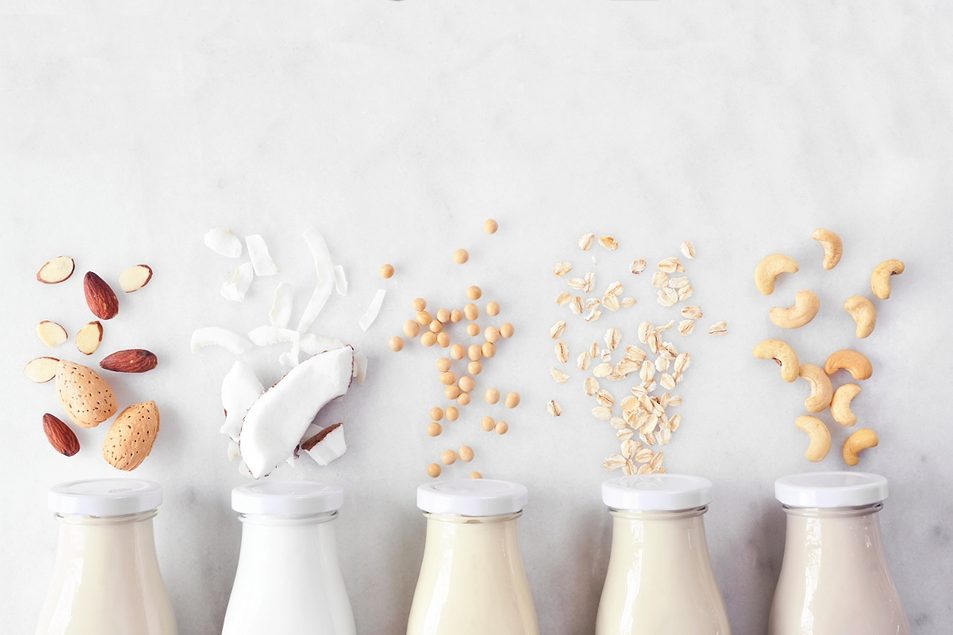
The global plant-based dairy market is entering a new phase of maturity. Projected to reach $28 billion by 2030, with a CAGR of 8.7% from 2023 to 2030, the category has evolved well beyond niche status.1 Once driven primarily by dietary needs, plant-based beverages and cheese are now embedded in consumers’ everyday lifestyles—from morning coffee and cereal to cooking, snacking and protein supplementation. For manufacturers, this growth signals opportunity—but also heightened expectations around taste, texture, nutrition and label transparency.
Transparency Drives Growth
Reinforcing this momentum, worldwide organic food sales have increased sevenfold since 1999, climbing from less than $20 billion to nearly $140 billion in 2023, with continued growth forecast.2 Increasing consumer demand for natural and sustainable food and beverages aligns closely with the appeal of plant-based dairy alternatives. As consumers scrutinize ingredient lists and prioritize transparency, brands that prioritize both functional performance and clean label integrity are well positioned to meet evolving expectations.
Regional Preferences Drive Formulation Priorities
While plant-based dairy alternatives have entered the mainstream, regional preferences create distinct formulation challenges—and create opportunities for innovative enzyme solutions.
In the U.S., nearly 70% of consumers under age 35 purchase dairy alternatives, suggesting long-term category growth as Gen Z and millennials gain purchasing power.3 Almond drink leads the category with 43% market share, followed by oat, coconut and soy beverages at 22% market share, respectively.4 These generational preferences have fueled demand for clean label barista-style dairy alternative beverages that require protein stabilization for coffee compatibility.
The EU represents 46% of the global dairy alternatives market. Oat drink dominates in this region—particularly in Germany, where 75% of non-dairy drink consumers have made it their preferred choice. When it comes to sweetness, distinct differences emerge with consumers in northern Europe favoring less sweetness and those in southern Europe leaning towards sweeter profiles.5 Western Europe also leads “no sugar” dairy alternative drink launches, a segment growing at a CAGR of +22% from 2020 to 2024.6 These preferences underscore the need for precise sugar profile management in plant-based drinks, with a trend shifting to more of a maltose-rich profile.
Asia-Pacific, meanwhile, represents one of the fastest-growing markets, offering strong potential for multi-functional enzyme solutions that address both taste and cost optimization.5
Navigating Challenges in Plant-Based Dairy Adoption
Despite robust growth, the plant-based dairy market continues to face challenges. Consumers may be motivated to try dairy alternatives based on health and sustainability perceptions, but taste and texture often dictate repeat purchases.
While higher prices and lower protein content compared to dairy are common challenges for formulators of plant-based beverages and cheese, nearly 50% of U.S. consumers report taste, flavor or texture concerns as barriers to adoption.3 Consumer complaints often include watery consistency, curdling in hot beverages, artificial or overly processed perceptions, and poor cooking performance. When it comes to cheese, 73% of consumers would like a better alternative that tastes like real cheese with authentic melt and stretch that avoids a grainy texture.7
Compounding these sensory challenges is the demand for transparency. Label integrity is a priority—81% of consumers cite detailed labeling and clean ingredients as important,8 while 25% say “made with real ingredients/natural” is their top purchase driver for non-dairy drinks.9 At the same time, manufacturers must navigate rising interest in high-protein positioning and sugar reduction—all without compromising sensory appeal.
Formulating for What’s Next
The convergence of consumer expectations, regional taste preferences and clean label demand calls for smarter formulation solutions. With consumers valuing health benefits, taste and real, natural ingredients, enzyme solutions are central to closing the gap between consumer demands and technical feasibility. They provide protein stability, taste optimization and clean label compliance—enabling premium positioning and competitive differentiation over traditional stabilizers.
As a leading global enzyme manufacturer, Amano Enzyme provides solutions to address common formulation challenges in plant-based dairy products. Their enzymes improve key features from flavor to functionality, while maintaining organic and non-GM Project compliance to help brands stay relevant in today’s plant-based dairy market.
Beverage Solutions
Amano’s non-GM compliant enzyme solutions support plant-based beverages by improving foaming performance, delivering a consistent mouthfeel and preventing curdling. They aid in protein stability, especially in low-pH applications like coffee, while naturally enhancing sweetness and enabling precise sugar profile control. Together, these benefits ensure a smoother, more enjoyable beverage experience without compromising label integrity.
Cheese Solutions
Amano Enzyme’s solutions enable high-protein plant-based cheese by improving the interaction of plant proteins with hydrocolloids in the cheese matrix. They help maintain a creamy texture and robust flavor while modifying proteins to improve melt, stretch and overall texture—enabling brands to deliver a more authentic, rich cheese experience.
Plants Unlimited™ Enzyme Portfolio
- PG500: Aids in protein stability and prevents curdling in acidic beverages—like coffee—without acidity regulators.
- Veramax G3™: Creates natural sweetness in cereal-based non-dairy beverages without increasing sugar content.
- Veramax G2™ and Kleistase: Useful for liquefaction and saccharification. Also enables sugar profile control in cereal-based beverages.
- CheeseMax™ PB: Modifies plant-based proteins to improve melt and stretch in plant-based cheese, targeting functionality gaps in the category.
Formulating for What Consumers Expect
As the plant-based dairy market continues to evolve, brands will be required to deliver the taste, texture and functionality consumers expect. Modern consumers want beverages with smooth foam, cheese with authentic melt and stretch, and recognizable ingredients they trust. To meet these demands, and address trends like sugar reduction and added protein, manufacturers can embrace enzyme-driven formulation strategies that improve sensory performance, support clean label compliance and enable differentiated positioning in an increasingly competitive marketplace. Brands that strike this balance will be well positioned to deliver plant-based dairy products that meet—and exceed—evolving consumer expectations. Explore unlimited possibilities with Amano Enzyme.
Sources
1 Industry Arc, Plant Based Dairy Markets Forecast – (2025-2030), December 2024
2 Statista, Worldwide sales of organic food from 1999 to 2023
3 Mintel, US Dairy Alternatives – US – 2023
4 Mintel, Milk and Non-Dairy Milk–US–2024
5 Vegconomist, “How Plant-Based Milk Claimed the Top Spot,” August 2024
6 Innova Market Insights, Trends in Zero Sugar Dairy Alternative Drinks, February 2025
7 Plant Based Foods Association, Unmet Needs Discovery Survey, 2023
8 Mintel, Nutrition Drinks – US – 2025
9 Innova Market Insights, Category Survey, Dairy Alternative Drinks Global, February 2025
#Key #Trends #Shaping #PlantBased #Dairy #Innovation
About the Author