KANSAS CITY — Functionality remains at the forefront of consumer shopping trends. Many are maintaining their hunger for foods and beverages formulated with higher levels of protein and fiber for strength and satiation. Now, consumers are adding a focus on hydration to the mix.
New data from PepsiCo, Inc. suggests that, while 95% of American consumers understand the importance of hydration, over 150 million consumers regularly report signs of mild to moderate dehydration, including unregulated body temperature, low cognitive focus and increased thirst.
PepsiCo’s position is supported by public health officials who have linked poor hydration habits to fatigue, reduced cognitive performance and kidney problems, particularly among older adults.
Several hydration-focused beverages, such as Gatorade and Pedialyte, have long been on the market, but a lack of understanding about the benefits electrolytes have on general hydration support has pigeonholed the beverages into sports nutrition and health categories.
“One of the biggest misconceptions about hydration is that it only matters for elite athletes or extreme situations,” said Damian Browne, senior vice president of research and development, US Beverages at PepsiCo. “In reality, mild to moderate dehydration can build gradually across the day for most people, often without realizing it, and thirst is not always a reliable signal.”
As the general population increases interest in functional beverages that support hydration, manufacturers are steadily rolling out products formulated with electrolytes.
“Hydration has shifted from a box you check at the gym to a daily wellness ritual, so electrolytes are naturally moving from the sidelines into the center of the beverage set,” said Erin Smith, customer marketing manager at Imbibe, a beverage product developer. “In recent global launches, we’re seeing a clear ‘hydration plus’ mindset …. That classic sports drink idea is now showing up in more everyday formats and use cases, not just intense workouts.”
Purpose and formulation
Integrating electrolytes into beverage formulas supports hydration in several ways. The functional ingredients aid in stabilizing pH levels and balancing water levels within the body to optimize hydration. Electrolyte infusions can occur through the addition of minerals such as sodium, potassium and magnesium.
While beneficial ingredients, the minerals alter a beverage’s organoleptic properties.
“Electrolytes aren’t a drop-in ingredient,” Smith said. “Once you start adding meaningful levels of sodium, potassium or magnesium, you change the whole flavor balance of the drink – saltiness goes up, bitterness or minerality can creep in and you often have to rethink sweetness and acidity to keep it enjoyable.”
Beverage manufacturers have found citrus flavors pair well with added electrolytes.
“Citrus and tropical flavors tend to work naturally with mineral profiles, which is why you see those flavor families a lot in the category,” said Eran Mizrahi, co-founder of Source86, an ingredient supplier
Q Mixers, for example, added a line of sparkling canned beverage mixers to its portfolio in March. The beverages are formulated with electrolytes and feature tropical flavors like pineapple passion, raspberry lemon, watermelon lime and peach nectarine.
Syncron, a performance beverage brand, debuted Syncron Hydrate, a functional beverage formulated with electrolytes. Available in flavors such as berry, lemon lime and orange, the beverage is intended to support muscle recovery and to optimize hydration.
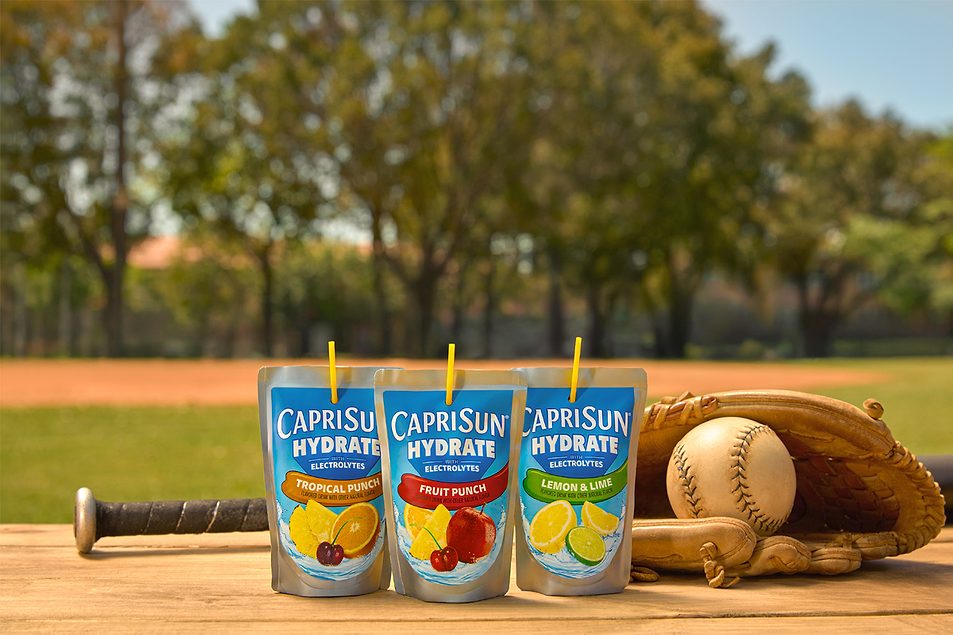
The Kraft Heinz Co. turned its focus towards children’s hydration with a new Capri Sun-brand innovation. Capri Sun Hydrate, described by the company as one of the first-to-market hydration beverages formulated specifically for children, is made with “essential electrolytes” and 50% less sugar than leading sports drinks.
Tropicana Brands Group is riding the hydration wave, too, with Tropicana Hydrate, a juice line that offers electrolytes and coconut water to boost hydration.

Side effects of GLP-1 medications encourage a heightened need for hydration support.
| Photo: ©LANA PIETUKHOVA – STOCK.ADOBE.COMCross-functionality
While electrolytes alone may be added to a beverage’s formula to increase functionality, manufacturers are utilizing the minerals alongside additional functional ingredients to offer optimized wellness support.
“The most interesting products right now are not just electrolytes on their own, but the products that combine them with complementary ingredients,” Mizrahi said.
Sonic Drive-In, for example, has added Sonic Refreshers, a line of hydration- and energy-focused beverages, to its menu. The beverages are formulated with electrolytes and caffeine.
The Campbell’s Co. recently launched a limited-time V8 Energy drink that blends electrolytes into the energy beverages formulation.
Protein and hydration
Beverage companies are beginning to roll out formulas that combine protein with hydration support.
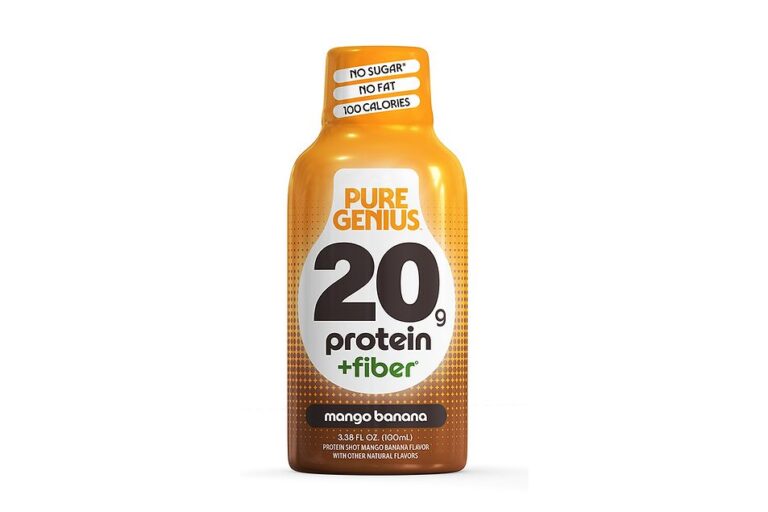
Systm Foods added a clear protein beverage to its REBBL brand that is formulated with whey protein, potassium, magnesium and sodium, and available in such flavors as mixed berry, lemon lime, strawberry watermelon and mandarin orange.
Beyond Meat, a plant-based meat company, entered into the beverage category with a protein beverage formulated with plant protein and electrolytes.
“There’s been a huge rise in beverages that give you meaningful protein but without the thick texture of your usual shake,” Mizrahi said. “It feels like a logical next step to add electrolytes into those types of products since hydration and recovery are already close to that positioning.”
Powder mixes
While several beverage manufacturers have launched ready-to-drink products with electrolytes, others are introducing drink mixes that may be added to a beverage to heighten functionality.
True Citrus unveiled True Lemon Wellness, a functional powdered drink mix formulated with electrolytes. The launch included three options of health-and-wellness support such as immune health, energy boosts and appetite control.
Sprinter, the vodka soda brand from television personality Kylie Jenner, debuted beverage mixes made with electrolytes, collagen peptides and hyaluronic acid to boost skin health and hydration.
GLP-1s and the future
The rise of hydration-focused beverages is timely. The use of GLP-1 medications continue to alter consumer diets, and hydration support has become more necessary and sought after.
“GLP-1 medications can quietly raise the stakes on hydration because reduced appetite, nausea, and gastrointestinal side effects mean people are losing both fluids and electrolytes while often eating and drinking less overall,” Smith said.
GLP-1 medications and rising interest in functional products is stoking the fire behind electrolyte formulations, and beverage experts are already seeing the effect on the category’s future.
“As more hydration products enter the market, not all of them will justify a premium price,” Mizrahi said. “Retailers and consumers will probably be more selective and eventually some level of recovery or hydration support will just become a given in many beverages, even outside the traditional sports category.”
#Hydration #key #functional #beverage #trend
About the Author