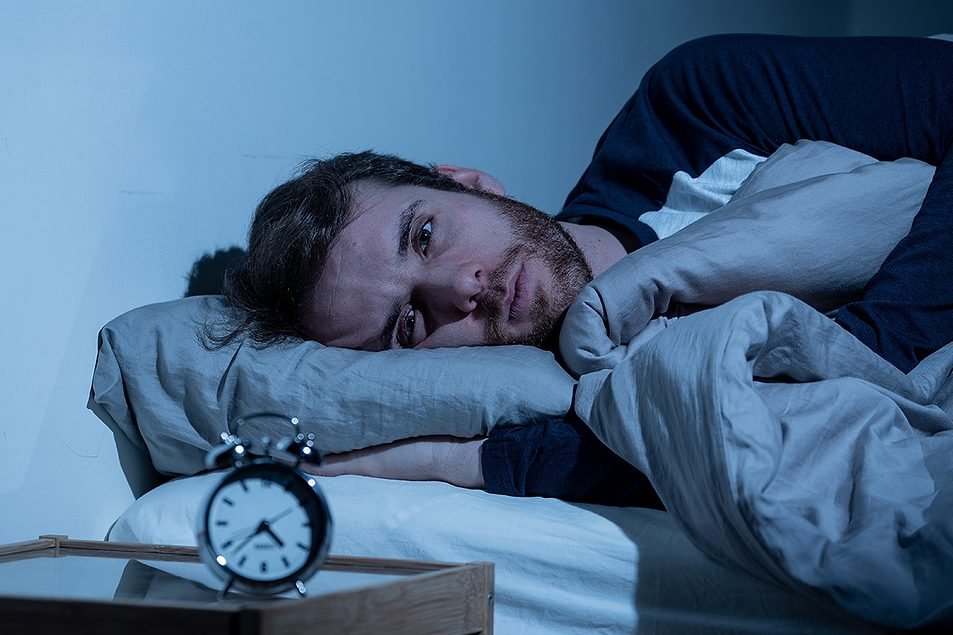
NEW YORK — Functional products are in demand, but new research shows consumers want more from them than hydration and energy. Many are looking for — and willing to try — products that can help them get better sleep.
Consumer research by the market researcher Knit conducted a whitespace analysis and found what it termed a “pretty significant innovation gap” in areas where people are still feeling underserved by existing products and where they may be open to trying new ones.
Of the 509 US based consumers Knit surveyed this past summer, 33.5% said sleep was the most difficult need for them to address, while 45% indicated it was the one they most wanted to work on.
When respondents had the choice between three hypothetical products, each costing $29.99, a melatonin-free sleep gummy attracted the strongest response with 80% appeal, 65% purchase intent and 72% credibility, the survey found.
Following the top goal of being able to sleep better, surveyed consumers identified, in order, managing everyday stress (32%), feeling energized without jitters (27%) and staying focused and mentally sharp (27%).
Liam Hickey, Knit’s head of research, said he viewed the underserved needs as partially “reflecting the world around us and how that’s evolving,” particularly for younger consumers.
“We live in a world of algorithms and echo chambers and AI where attention is fragmented and social interactions are not as deep as they used to be, and the whole world of content consumption is quick hit, keep me engaged and scrolling as fast as possible,” he said. “So, needs are coming through, and young people consumed by sleeping better and energy without jitters kind of links up with the world around us.”
For consumer packaged goods (CPG) manufacturers, Hickey said the survey identifies two main areas of opportunity to innovate with potential product solutions: restoration and mental performance.
But however brands may choose to approach those needs, he said, “it needs to address the root cause, or at least be mindful of what’s driving it and what’s making people experience (these issues) more.”
Where functional falls short
The Knit survey said consumers find price-value the aspect most lacking when it comes to functional products, followed by not feeling a clear effect from trying them. Of the 509 survey respondents, 286 said functional products cost too much for what they get, while 226 said they didn’t notice any obvious benefit from using them.
Following those articulated failure points were forgetting to try the products or not having time to do so (185), fearing the benefits were imagined (182) and finding it difficult to trust product ingredients or claims (170).
Hickey said because the functional foods sector is a less-regulated space, “people are more naturally skeptical of the benefits,” which leads to consumers not seeing a lot of advantages, so they tend to give a product a shot and then drop out. So, having good backup for your efficacy claims is really, really critical.”
Group preferences differ
The Knit survey separated respondents into three groups depending on how they tend to approach functional products.
“Reactive relievers” (49% of respondents) are defined as open-minded consumers who use functional products in times of specific need. “Biohacker optimizers” (35%) are those who actively use functional items in their daily and weekly life. “Skeptical casuals” (16%) are consumers who enjoy functional products but are wary of the promised benefits.
Both Reactive relievers and biohacker optimizers were more likely to reach for functional products in a bar or snack format, the survey found, while skeptical casuals tended more toward ready-to-drink beverages.
When the individual generations were evaluated, 75% of Gen Z consumers went for bars and snacks, and 75% of baby boomers preferred capsules, tablets and pills. Gummies were the choice of 63% of millennials and 59% of Gen Z, the survey found.

Because the functional foods sector is a less-regulated space, “people are more naturally skeptical of the benefits,” said Liam Hickey of Knit.
| Photo: ©JULPHOTO – STOCK.ADOBE.COMHickey said there’s a lot going on with the format side of things, which speaks to the overall fragmentation of the functional category.
“It’s very, very hard to create a one-size solution for needs,” he said. “There’s so much fragmentation in the solutions space and a lot of habit-driven behavior.”
The role of education
More functional products will be introduced as more consumers become aware of the relationship between what they consume and how they feel. Yet Hickey said there’s an ongoing need for more education.
“I think there’s 10,000 new people every day who need to be educated on it, so the job is never done,” he said. “Some of this is probably life stages and maturation as to what becomes more important as you age, so young people may not be able to negotiate this.”
For CPG manufacturers and brands trying to compete in the fragmented category, the most effective approach depends on their ambition, strategy and current portfolio, he said.
“Anyone new entering the category has to be able to solve one of the problems identified in this report,” Hickey said. “Those addressing the category already have been trying to solve problems and already have a good basket of solutions and things they’re trying already, so you have to fit in with that.”
Effectively addressing consumer needs in the functional space might require a more interrelated approach that uses entire systems.
“Maybe more holistic solutions are the play to disrupt what’s on people’s shelves already and get a bigger share of the market,” he said.
Knit reported that, of the total 509 survey respondents, 408 had bought food or drinks with added health benefits in the previous two months, and 406 had purchased supplements.
The study sample had a mean age of 47.7 years (median of 51 years) and comprised 33% Gen X, 25% baby boomers, 23% millennials and 17% Gen Z. Of the total, 51% of respondents were male, and 49% were female.
#Functional #products #struggle #sleep
About the Author