WASHINGTON — Americans are becoming more familiar with terms for processed food, including ultra-processed, according to the International Food Information Council’s Food & Health Survey released July 16. More consumers also are seeking convenient food items, and many have seen the US government’s new inverted pyramid.
“Every year the IFIC Food & Health Survey gives us a read on where Americans truly are, and what we see is a meaningful shift in how people view their food and make decisions,” said Wendy Reinhardt Kapsak, president and chief executive officer of IFIC. “In 2026, we find a public whose definition of ‘healthy’ is expanding beyond nutrition. Fresh, natural, the presence or absence of ingredients, as well as how much a food has been processed have all risen in prominence.”
The online survey contacted 3,005 Americans from March 22 to April 8.
When asked whether they recognized the term ultra-processed food, 52% said they were familiar with the term, which was up from 44% last year and 32% two years ago.
The term has become “pretty common vernacular” not only within the nutrition community but also among consumers, said Kris Sollid, senior director of research and consumer insights at IFIC, in a July 16 webinar.
When asked how they decided whether a food item was ultra-processed, the top two answers were 56% for the ingredient list and 51% for the Nutrition Facts Label.
Thirty-six percent said they tried to limit highly processed foods over the past year, and 73% said they considered how much a food was processed before buying it, which was down from 80% last year. Thirteen percent said they always avoid processed foods, and 41% said they sometimes do.
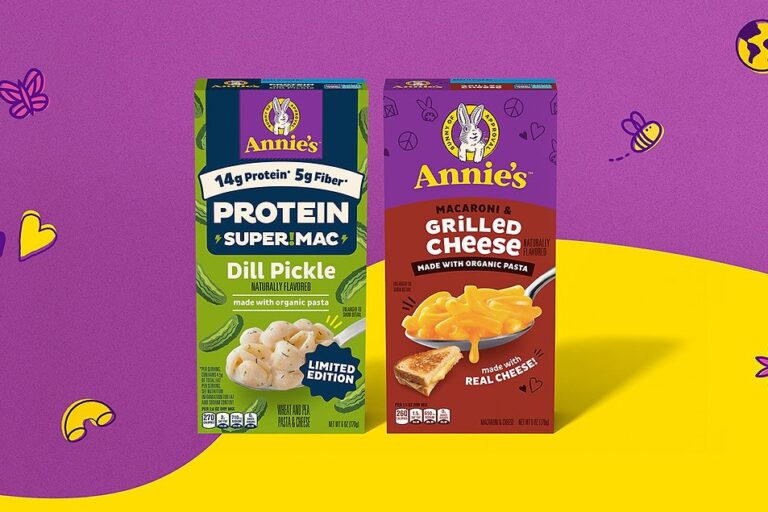
How food items are described may influence how consumers perceive them. When asked whether certain foods could be part of a healthy diet, 8% said ultra-processed foods can and 21% said they possibly can, which ranked slightly lower than highly processed foods (9% and 24%) and junk foods (10% and 26%). Ranking higher among the similar terms were processed foods (12% and 37%) and packaged foods (20% and 52%).
Protein percentage
When asked to name all the dietary efforts they made in the past 12 months, 36% said limit highly processed foods, which trailed eat vegetables and fruit throughout the day at 50%, eat real food at 49%, limit added sugars at 44% and eat the right amount of food at 43%.
In the survey IFIC did not provide consumers with a definition for either highly processed foods or real foods and took the terms from the Dietary Guidelines for Americans released in January, Reinhardt Kapsak said.
Limiting highly processed foods came in higher than prioritizing protein foods at every meal at 28%.
“This is something (protein) I might have hypothesized to come in a little bit higher,” Sollid said.
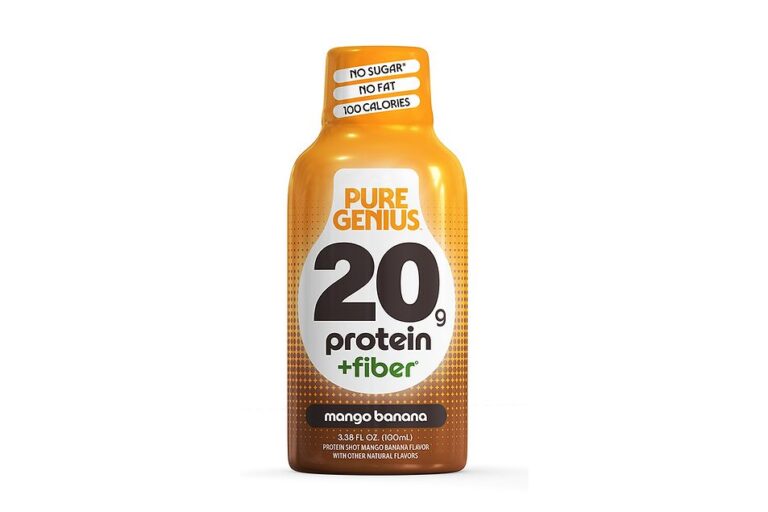
When asked to define a healthy food and allowed to select up to five choices, 33% said good source of protein, which trailed only the term “fresh” at 40%.
Americans in the 2026 survey placed more emphasis on clean label terms than in the 2022 survey. When asked what ingredient-related and processing-related criteria they used to define a healthy food, 26% said limited or no artificial ingredients, which was down from 28% last year but up from 20% in 2022. Limited or no artificial ingredients or preservatives came in at 27%, up from 25% last year and up from 17% in 2022. Limited number of ingredients came in at 16%, up from 14% last year and up from 9% in 2022.
The importance of convenience rose in the 2026 survey. When asked their top purchase drivers, 88% said taste, which was followed by price at 78%, convenience at 61% and healthfulness at 56%. Convenience came in over healthfulness for the first time since the IFIC Food & Health Survey began in 2006.
Seeing the pyramid
The US Department of Agriculture and the US Department of Health and Human Services in January introduced a new inverted food pyramid in the Dietary Guidelines for Americans. It replaced the MyPlate graphic.
In the survey, 83% said they had seen the new food pyramid, which compared with 77% last year who said they had seen MyPlate. However, 54% said they knew at least a fair amount about the new food pyramid, which was slightly above the 53% last year who said they knew at least a fair amount about MyPlate.
#Consumers #developing #definition #ultra #processed
About the Author