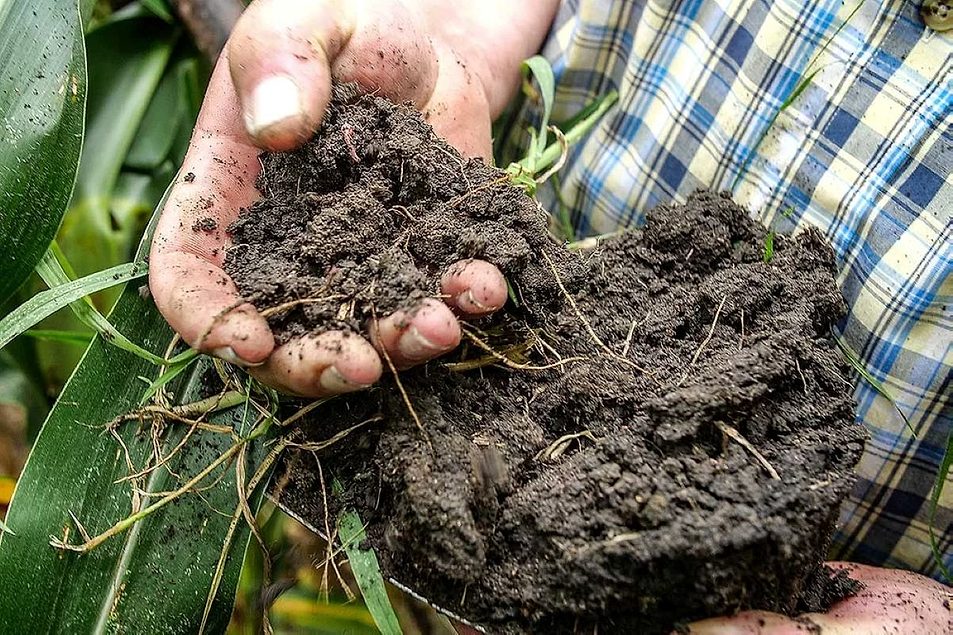

CHICAGO — Regenerative agriculture not only protects the soil — where the majority of our food comes from — it can help bakers and other food producers reach sustainability goals.
“I’ve seen the benefit of incorporating regenerative systems, where we see soil aggregates building and water capacity increasing and organic matter increasing and soil carbon levels rising,” said Tim McElroy, business development manager at Shepherd’s Grain. “These kinds of things have a positive impact, not only on the land system in both the crops that we’re trying to grow, but also the biodiversity within the ecosystem. Seeing ducks come back to places where they had left years ago, these kinds of small changes are beneficial to the whole ecosystem.”
McElroy was speaking at a technical breakout session at the American Society of Baking’s BakingTech, which was Feb. 16-19 in Chicago.
He explained that regenerative agriculture is the restoration of the ecosystem function through the natural improvement of carbon, mineral and water cycles.
“Carbon is just food for bacteria in the soil and that bacteria in the soil, in turn creates the health of the whole ecosystem,” McElroy said.
Traditional farming tills the soil and releases carbon, but leaving plant roots in the soil intact, either alive or dormant, feeds biological life and helps build stability and resiliency at the ground level.
“When a regenerative farmer can come in and even increase the soil organic matter by 1%, it can increase the water holding capacity by 10,000 gallons per acre,” McElroy explained.
This allows the soil to act like a sponge, which means it can handle a large rain or flood event without eroding.
McElroy urged bakers to view regenerative agriculture sourcing as a supply chain metric in their organizations.
“We have an opportunity to zoom out from just a procurement question sourcing and look around our organizations and see where else sourcing ingredients and verified supply chains can benefit us in marketing and sustainability initiatives that the whole organization has,” he said.
#Regenerative #agriculture #benefits #crops #biodiversity
About the Author