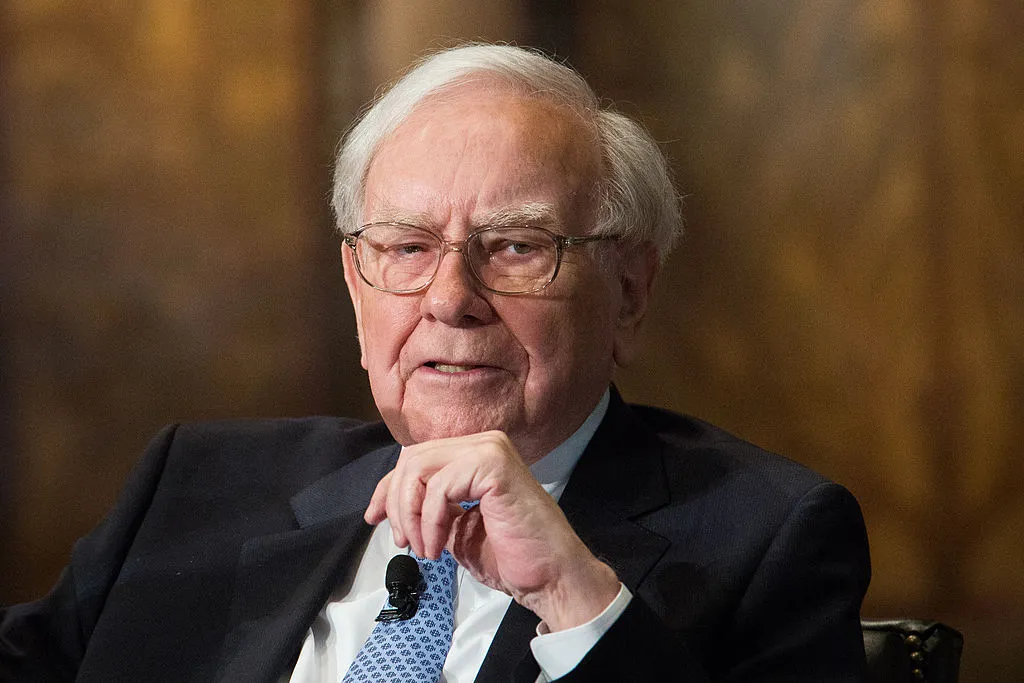
Warren Buffett has been teaching valuable lessons to investors for many decades, from why you should stay the course when markets get choppy to how to find the best companies to invest in.
While Buffett is no longer CEO of Berkshire Hathaway, investors can still look to his shareholder letters for guidance on investing. In one of his last shareholder letters published last year, Buffett warned of “fiscal folly.” Here’s what he meant.
What is ‘fiscal folly’?
Buffett specifically warned of “fiscal folly,” which he said can destroy the value of paper money. Fiscal folly refers to moves by governments that make currencies weaker.
“Paper money can see its value evaporate if fiscal folly prevails,” Buffett wrote. “In some countries, this reckless practice has become habitual, and, in our country’s short history, the U.S. has come close to the edge.”
He also stated that fixed-coupon bonds do not protect investors from runaway currency problems. Buffett was explaining why, despite holding a large cash position, Berkshire Hathaway investors still have a majority of their money invested in stocks.
“Berkshire shareholders can rest assured that we will forever deploy a substantial majority of their money in equities — mostly American equities although many of these will have international operations of significance,” he wrote. “Berkshire will never prefer ownership of cash-equivalent assets over the ownership of good businesses, whether controlled or only partially owned.”
Why Buffett’s warning matters for everyday investors
Buffett’s warning isn’t just for Berkshire Hathaway investors. It can also resonate with everyday investors who are setting money aside in savings accounts and other cash-like alternatives, like certificates of deposit (CDs). While it’s important to have some money in cash — at least enough to cover expenses for three to six months in the case of emergencies, according to many financial advisors — it’s important to not keep too much money on the sidelines. That’s because the value of cash can be eaten away over time, most notably by inflation.
Berkshire Hathaway has a large cash position for short-term needs, but Buffett has said that he prioritizes owning strong businesses. Investors can use this mentality by making sure they have enough cash available for short-term expenses and then investing in promising businesses via the stock market. That way, your money can outgrow inflation in the long run.
Solid businesses tend to hold up better than cash because when expenses go up, companies can raise prices while retaining demand. While cash is guaranteed to lose purchasing power over time, businesses can gain market share and produce results for shareholders causing their stock prices to go up.
Although Buffett expressed a valid warning, it wasn’t a signal to put all your cash into stocks. Investors should determine their allocation to cash, stocks, bonds and alternative assets like real estate based on their risk tolerance, goals and time horizon, including how long they have until they plan to retire.
#Warren #Buffett #Letter #Warning #Investors
About the Author