WESTMINSTER, COLO. — Nostalgia has been a strong food and beverage trend in recent years, usually defined as people seeking familiar tastes and flavors they enjoyed in the past to help alleviate stress in the present. Those nostalgic eras often look back on the 1970s, 1980s or 1990s, for example, as times when many current consumers were younger and their lives were simpler than today.
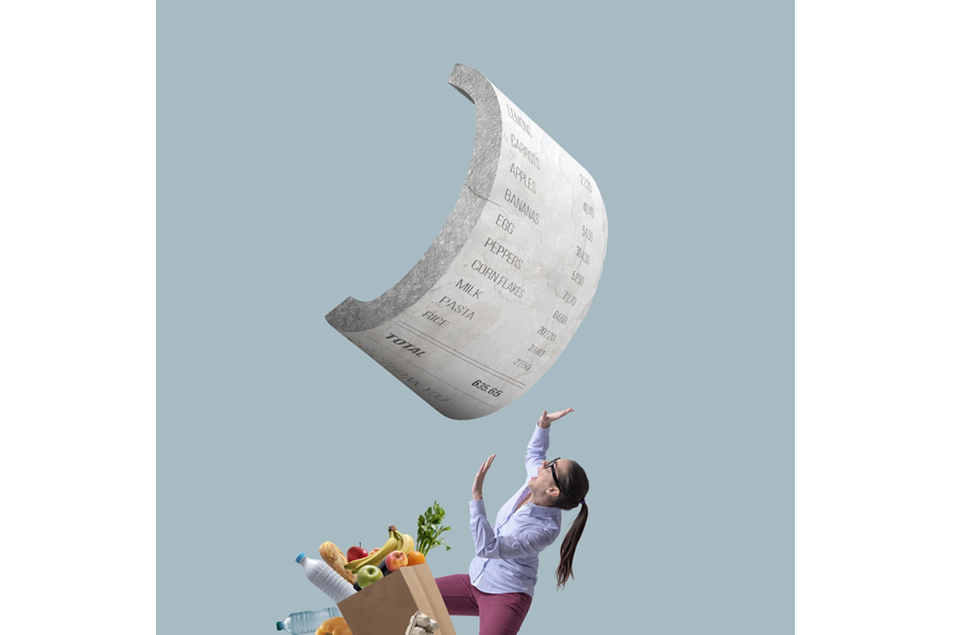
Rarely has the 1930s been looked upon with nostalgia, due to it being defined by the Great Depression and the start of World War II. But one industry observer said that in 2026, culinary nostalgia for the 1930s has arrived in a practical sense, not so much to celebrate the era but to reflect on its frugality at a time of current economic strain for many households.
“We’ve never seen the ‘30s come in as an era. It’s not a good era to come into,” said Suzy Badaracco, president at market research firm Culinary Tides, during the recent Research Chefs Association conference in Westminster. “The ‘30s were all about stretch, like doing meat combinations with grains. If you’ve ever seen any post-World War I recipe cookbooks, they’re combining grains with ground beef, for example. So, it’s all about stretching proteins. It’s about a lot of mock desserts too, like mock apple pie is coming back.”
Prohibition ended in 1933, and Badaracco said she sees a return in popularity to post-prohibition spirts, such as brown and white alcohols, and even moonshine, along with increased alcohol consumption overall in 2026.
“Alcohol definitely comes back, but it’s not for good reasons,” she said. “It’s for ‘I’m-stressed-out’ reasons, which is why Gen Z has already started drinking more. They’re the first generation to start drinking more. We’re expecting all of the generations to start drinking more.
“It’s not really a pretty thing to come back, but it kind of makes sense why these stretch behaviors are coming back. We’re seeing it coming up in beverages. We’re seeing it coming up in consumer behavior research.”
Badaracco added that many consumers are part of multi-generational homes now due to family circumstances and the economy, making these “stretch” ideas for extending ingredients in meals a pragmatic solution for feeding households.
“You have parents moving back in with grandparents to help. You have kids in college moving back in with parents. You’ve got kids with kids moving in with parents,” said Badaracco. “So, you have to have solutions that can satisfy multiple age groups all at the same time.”

Many consumers are swapping meals for snacks to save money in 2026, so brands should highlight functional ingredients on packaging to stand out, said Suzy Badaracco of Culinary Tides.
| Photo: ©STOCKPHOTOPRO – STOCK.ADOBE.COMSnacks replace meals
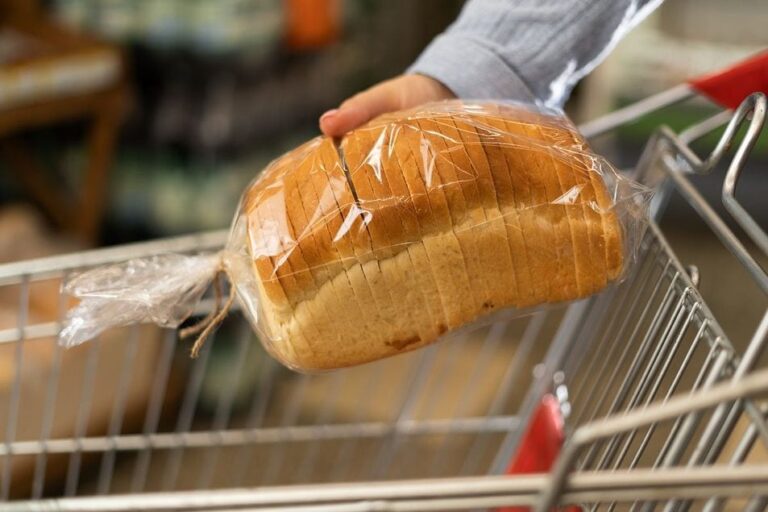
Badaracco also said current economic struggles for some consumers have them replacing meals with snacks in 2026, and that food companies should keep this in mind when marketing their products by highlighting the functionality of their products.
“Consumers are skipping meals and eating snacks instead. This is not because they are necessarily on the go. It’s not necessarily because they’re watching their weight. The No. 1 driver, unfortunately, is financial,” said Badaracco. “IFIC showed 56% replace traditional meals with snacks or smaller meals for a financial reason. As they’re forced to spend less and the snacking behavior increases, they’re not turning towards salty or sweet snacks.
“They’re looking for healthy snacks because they’re swapping it for a meal. YouGov showed consumer snack priorities are they want to understand the ingredients, and they want to know the nutritional value. So, to align products or menu items with this healthy mini-meal idea, you want to be intentional. You don’t want to beat around the bush. You want to tell (consumers) it’s balanced, portion controlled and nutrient rich. You want to tell them, ‘This is a mini meal.’”
The new value equation
Despite the cost-cutting behaviors that Badaracco said are prevalent in 2026, consumers are not necessarily looking for the lowest price in every food or beverage purchase.
“Value does not mean cheap,” she said. “In 2026, it means intelligent spending, not minimal spending. (Consumers) are asking themselves, ‘Is it worth it? Is it shareable? Is it functional? Is there something in it for me? Is it flavor forward? Is it flexible?’ They’ll pay more for it.
“Consumers are reallocating. They’re not retreating. This pattern matters more than the price. … The translation to premium must feel obvious, because invisible upgrades die. Consumers (in 2026) are trading down at the core but trading up at moments.”
Badaracco added that while protein is still the top ingredient in food and beverage products today, flavors –bold, global and novel, hybrid combinations – are more important to many budget-conscious consumers in 2026.
“Spicy and bold flavors are going to hold. Global sauces are going to grow. Flavor upgrades substitute for protein inflation,” said Badaracco. “Not everyone is trying to get protein because not everyone can afford protein. Translation: Flavor is cheaper than meat. And novelty prevents boredom during restriction.”
#Depressionera #culinary #trends #returning
About the Author