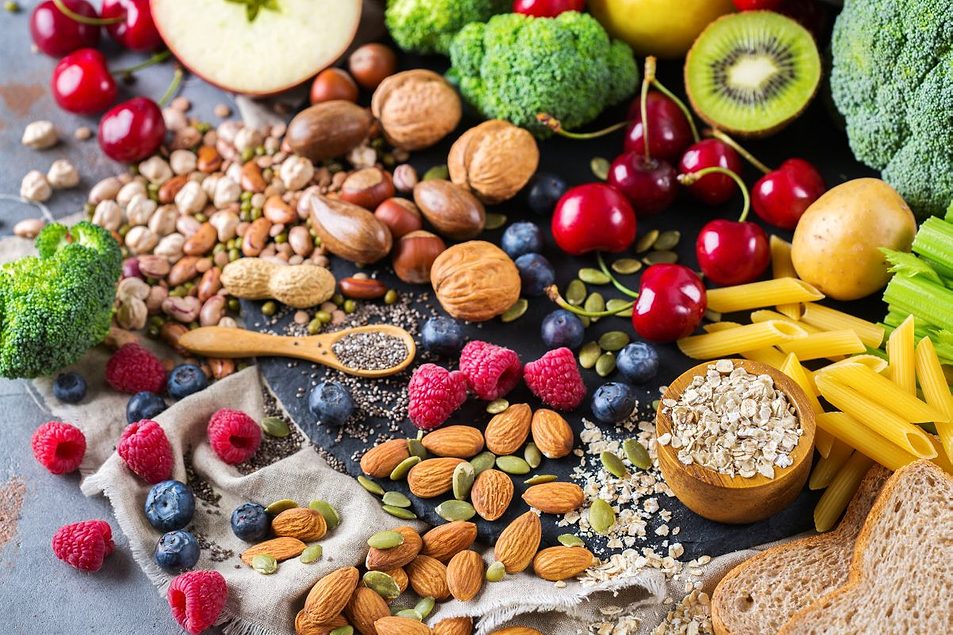
KANSAS CITY — After an incredible decade for protein, consumers are broadening their focus to improving their gut health by adding fiber to their diets, according to data from the market researcher GlobalData, London.
The research found that 40% of Gen Z consumers and 45% of millennials are trying to improve their gut health through increased consumption of food and beverages formulated with high fiber content and other functional ingredients.
The data aligns with several 2025 trend lists that predicted consumers would be seeking fiber-focused meals. The Kroger Co., for example, predicted an increase in fiber intake from consumers. Monin Americas suggested 70% of consumers would choose to consume beverages with functional benefits, including sources of fiber, and Datassential predicted foodservice menus would shift to include high-fiber options.
Gut health and the ‘feel good’ nutrient
Increased intake of fiber has multiple health benefits.
Alongside the 42% of surveyed consumers interested in improving gut health, GlobalData’s findings showed 42% of consumers choose fiber-rich foods for mood-boosting benefits and 42% seek to increase their energy levels, “signaling a shift toward day-to-day ‘feel-good’ benefits such as comfort, mood and vitality,” according to the market researcher.
“Fiber really aligns with where wellness is heading,” said Stephanie Mattucci, principal strategist, food science, Mintel. “Fiber really fits the broader spectrum of health, (such as focusing on) blood sugar and overall metabolic wellness. So, fiber is just another one of those feel-good nutrients that can help consumers meet their health goals.”
Regular fiber intake also promotes bowel regularity and offers cardiovascular health benefits, Mattucci said.
Although a beneficial nutrient, an increased amount of general fiber consumption does not offer consistent benefits for each consumer.
“I think we’ve learned a lot over the years about what fibers are suitable for certain people, what people can best tolerate, and that does vary based on the individual,” Mattucci said. “I think it’s much more sophisticated than protein, which you can just add to anything.”
Fiber-focused innovation
To meet increased demand for fiber, food and beverage manufacturers are launching functional products with prominent ingredient labeling.
“For time-pressed consumers, clear on-pack cues matter,” said Jessica Butler, consumer analyst at GlobalData. “Shoppers want to see fiber signposted on the front of packs, rather than having to scan the ingredients list.”
Marks and Spencer, a United Kingdom-based retailer, is providing ease of access to fiber through a range of private label prepared meals formulated with key nutrients. The Nutrient Dense range includes a variety of “everyday meals” with “high levels of nutrients per calorie.”

Marks and Spencer debuted a range of products formulated to support fiber intake in the United Kingdom.
| Photo: Marks and SpencerThe product line was launched to combat insufficient fiber intake in the UK, as 96% of the country’s population is not meeting the recommended 30 grams of daily fiber intake, according to the retailer.
The range includes 20 products, including salads, snacks and prepared meals, that contain at least 1 of 10 micronutrients like vitamin D, iron, folate and vitamin B12. The products are packaged with an easy-to-read nutrient label that displays the products’ grams of fiber, grams of protein and calorie count on the front.
“Our Nutrient Dense range is perfect for customers looking to support their health as each recipe is packed with the key nutrients we all need in our diets,” said Grace Ricotti, head of food nutrition at Marks and Spencer. “These new meals, snacks and drinks can help everyone get more fiber, vitamins and mineral in their diet.”
Additionally, beverage manufacturers are launching reformulated products that offer prebiotics and probiotics. PepsiCo, Inc. unveiled a line of functional beverages made with prebiotic fiber, Lifeway Foods has rolled out a functional beverage with probiotics and Nestle USA added prebiotic sparkling water to its Maison Perrier line.
Food manufacturers also are introducing new breakfast and snack items that offer several grams of fiber.
Flowers Foods, Inc. launched a line of Dave’s Killer Bread-branded breakfast bars that offer 4 grams of fiber, Lactalis USA debuted a “pro-fiber” yogurt that offers “as much fiber as two and a half cups of cooked oatmeal,” and Mars, Inc. added a bar formulated with whole grains and provides “a good source of fiber.”
While some manufacturers incorporate higher amounts of fiber directly into a product’s formulation, others are formulating products intended to add fiber to an existing food or beverage.
Hiya Health Products, LLC is bringing fiber straight to the consumer through a direct-to-consumer beverage powder that is formulated with inulin and has 6 grams of fiber. Lentil Telepathy launched lentil toppers that offer 1 gram of fiber per teaspoon.
Regardless of the method consumers are choosing to consume fiber, Mattucci sees consumers layering fiber intake throughout the day.
“The idea of layering (fiber intake) throughout the day is a more sustainable approach for an individual,” Mattucci said. “I think the idea of shifting from (eating the recommended amount of a nutrient all at once) to that idea of nutrient layering really can help build more diversity in your diet and let consumers feel really confident that they’re covering all their bases without the tedious nature of micromanaging every single gram.”
Making fiber obvious
The goal to increase fiber intake does not come without difficulties.
The International Food Information Council (IFIC)’s recent spotlight on fiber found most consumers aren’t aware of how much fiber they ingest a day or how to increase consumption.
“Fiber is suddenly everywhere in the wellness conversation,” said Wendy Reinhardt Kapsak, president and chief executive officer of IFIC. “Yet our data show most Americans still don’t know how much they need or where to get it. There’s a real disconnect between cultural hype and everyday understanding and action.”

Flowers Foods, Inc. and Mars, Inc. have launched two snack products with fiber-forward formulations.
| Source: Dave’s Killer Bread and MarsThe report said 29% of Americans are consuming less than 20 grams of fiber per day, and 37% are unaware of the amount of fiber they ingest per day.
The recommended amount of fiber falls between 21 to 38 grams per day, depending on age and gender, according to IFIC.
To further promote increased fiber intake, food and beverage manufacturers cannot mimic the marketing tactics of the protein trend, Mattucci said.
“It really needs to be a smarter formulation and have that clear education there,” Mattucci said. “I think that’s going to mean brands are going to need to focus on the right fibers in the right categories and really make those benefits clear and obvious.”
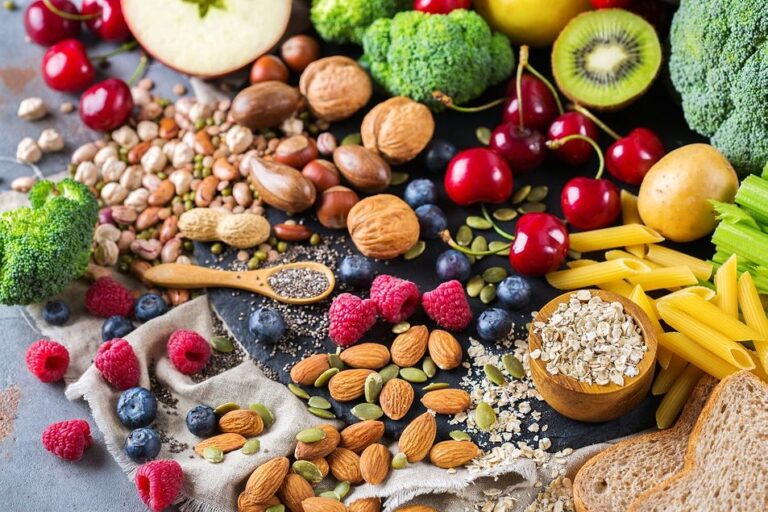
Mattucci said foods such as berries, lentils and beans are “great and delicious ways” to increase fiber intake.
Dietary factors
Several disruptions in the food and beverage industry are affecting how consumers approach their diets.
The rise of GLP-1 medications has altered what users eat and drink, with GLP-1 consumers choosing to eat foods high in protein, fiber and healthy fats.
“GLP-1 users are specifically eating less overall, so every bite needs to deliver more,” Mattucci said. “So, you see things like nutrient density, protein and fiber, those being really intuitive value per bite nutrients to deliver on that nutrition and also support their satiety as well as manage perhaps, you know, with fiber, for example, any digestive ailments that they may have or side effects from those medications.”
Additionally, in January, the updated Dietary Guidelines for Americans pushed grains to the bottom of the pyramid, primarily promoting protein and healthy fats.
“Some really beneficial fiber nutrients were overshadowed in that graphic,” Mattucci said. “Fiber is still very important and critical to consumers’ health. Even though the Dietary Guidelines may not have emphasized that as much, it’s something that I think we’re seeing consumers looking for and understanding because it really is important to the way that they feel every day.”
#Fiber #trending #Food #Business #News
About the Author