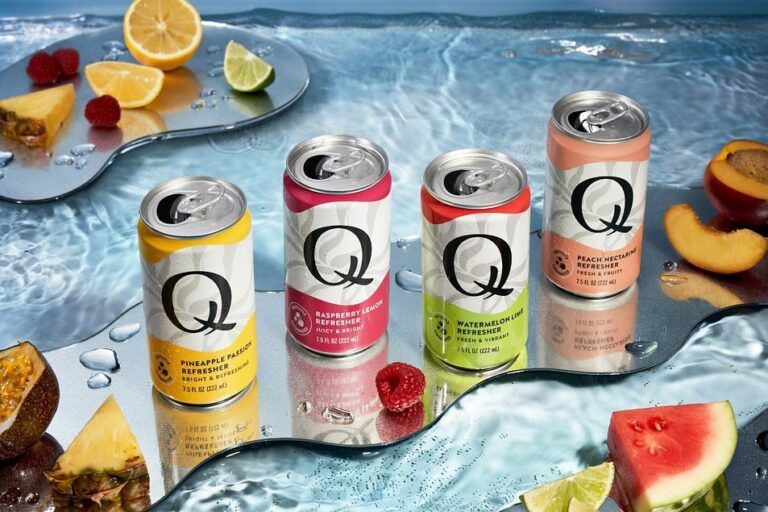
LOS ANGELES — One of the most competitive consumer packaged goods spaces is beverage, said Noah Bremen, founder of PLTFRM, Los Angeles, a growth accelerator for new brands. PLTFRM has supported brands like Olipop, Bloom, Vita Coco, Prime Hydration and Liquid I.V. across Walmart, Target, Amazon and Costco, collectively driving more than $11 billion in annual retail sales.
“The big players do not like to lose,” Bremen said. “They do a great job defending their shelf space. But today’s consumers want more. The ‘why’ behind the beverage matters.
“Brands that start out niche are going to continue to get big. Consumers are demanding ‘better-for-you,’ and these niche players are meeting consumers where they want to go.”
While beverage is a competitive space, disruptor-led growth is reshaping nearly every CPG category, according to McKinsey & Co., New York. For established businesses, traditional scale advantages — broad distribution, shelf space and procurement leverage — no longer guarantees growth. Many smaller brands are fueling sales.
Approximately 37% of consumers have tried a new brand in the past three months, and 40% said they plan to splurge or treat themselves soon, according to McKinsey’s ConsumerWise Consumer Sentiment Research. These consumers often choose products perceived as premium and better-for-you, or those products that provide clear need fulfilment.
The McKinsey report showed the beverage category includes 35 brands it identified as disruptors, the most of any CPG category. The businesses contributed 22% of overall category growth, according to McKinsey, and 12 now have more than $500 million in annual sales, and four — energy drink companies Celsius Holdings and Alani Nu, as well as electrolyte brands BodyArmor and Liquid I.V. — exceed $1 billion in sales annually.
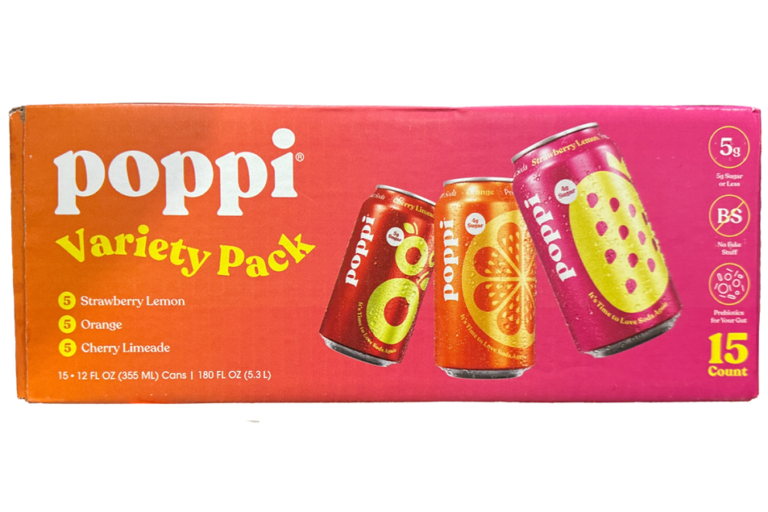
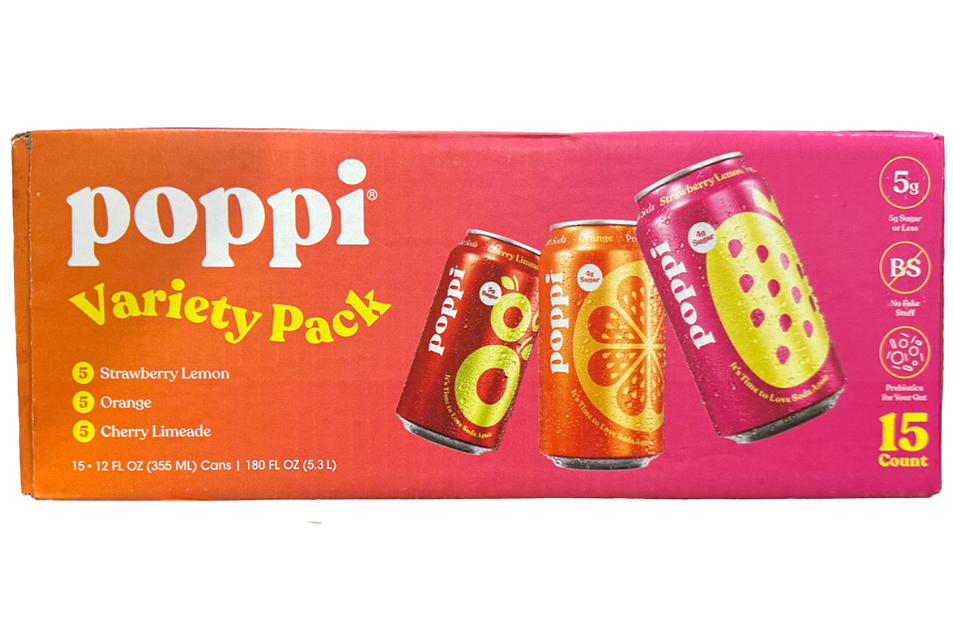
The success of Poppi, the low-sugar, prebiotic soda brand that launched in 2015, and sold 10 years later to PepsiCo, Inc. Purchase, NY, has inspired beverage entrepreneurs.
“Successful startups showed the big players it is possible to provide functional benefits with great taste,” Bremen said. “Poppi wrote the book on authenticity, on how to connect to consumers. Young brands have to connect with consumers and tell their story. And keep doing it constantly.
“It’s all about understanding culture. It is being everywhere. Brands have to maintain momentum by not being static. Social media, pop-ups, you have to be doing it. You can never rest on your laurels.”

Limited-time offerings like Bloom Pop’s Shirley Temple flavor bring fun and nostalgia to retail shelves, according to Noah Bremen.
| Photo: Bloom NutritionMcKinsey’s research identified several features that are necessary for disruptor brands. First, the brand must have bold and culturally relevant messaging. It also should have a unique physical sales strategy, as today’s consumers discover new brands both online and in person. Third, disruptors continuously experiment with new and creative formulations, packaging and benefit combinations. They leverage digital channels for marketing, customer acquisition and community building.
Disruptors also are agile. Lastly, but probably most importantly, they cannot be a copy of another brand; a disruptor must serve a unique purpose, and it should be clear to consumers.
Bremen said he agrees with McKinsey. His business sits at the intersection of founders, buyers and real-time retail data and has a clear view into what’s working in beverages right now and where brands are hitting friction as they scale. An area that’s really working is limited-time offerings.
“Make it crazy,” he said. “Bloom Pop did it with its Shirley Temple flavor. It was fun, nostalgic and only available for a short time.
“Retailers leave space on the shelf for LTOs. Brands need to be fast with new flavors. It’s all about making memorable moments out of flavors.”
Today’s consumers look to beverage as “you are what you drink.” They make choices based on their values and priorities.
“Taste matters,” Bremen said. “And real sugar matters for many, too, especially younger consumers. The perception is real sugar is more authentic, and beverage selection represents your authentic self. But still, it’s best to keep added sugar low. Three to 5 grams is the ‘sweet’ spot.”
Understanding what customers truly want is key. Bremen sees the future of beverage including more functional concepts.
“Expect to see adaptogens, social tonics, beverages that promise to make you feel good,” he said. “And the jury is out on milk. Now let’s start differentiating more, with grass-fed and A2.”
#Building #Poppi #Food #Business #News
About the Author