KANSAS CITY — Consumer interest in gluten-free foods accelerated almost two decades ago. It’s a more mature category now, but opportunities for sales growth remain.
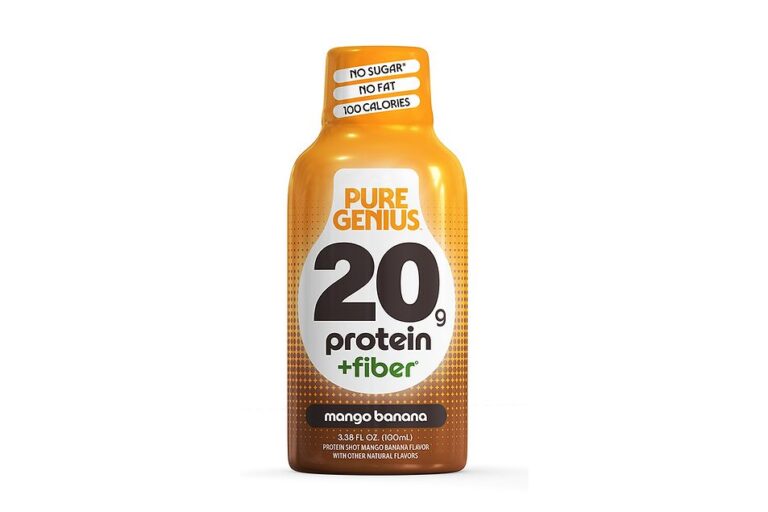
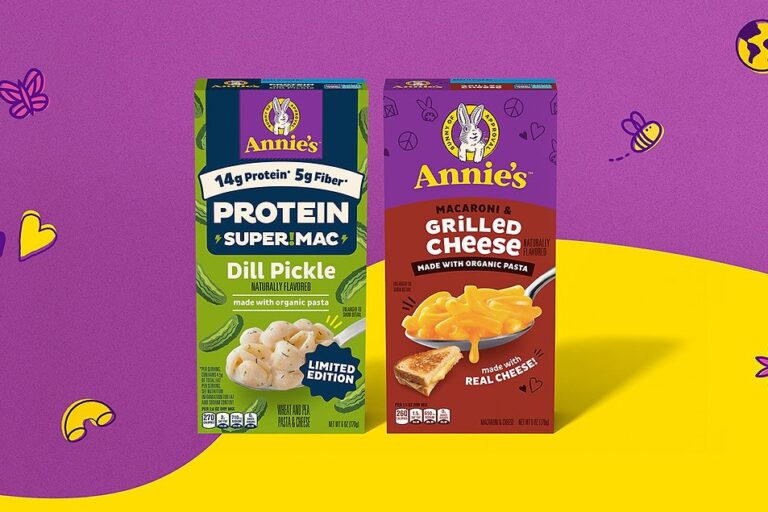
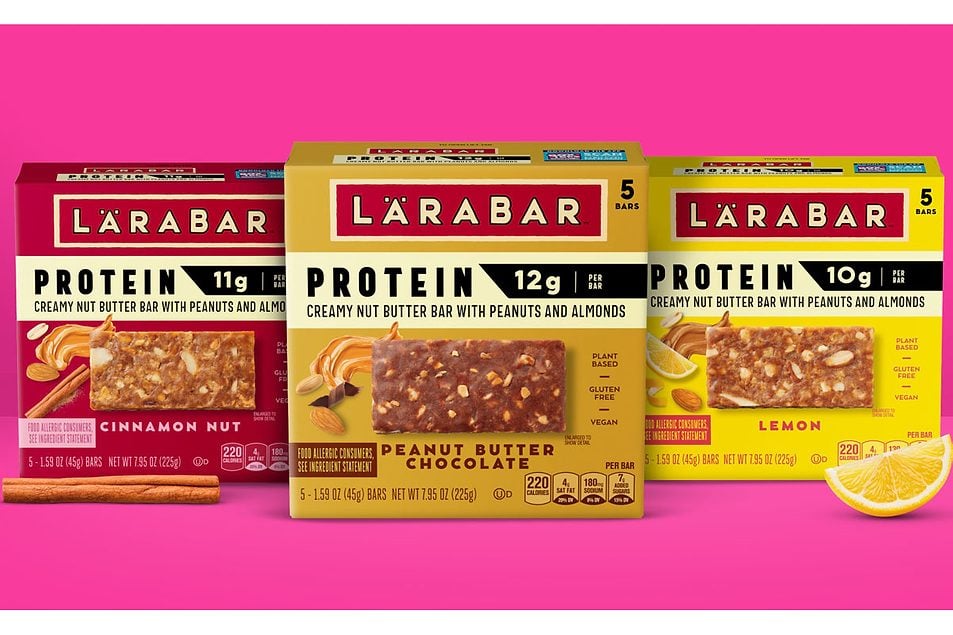
For example, many gluten-free ingredients, like pulses and oats, also may work in products formulated for consumers taking GLP-1 medications.
“We find that gluten-free growth continues,” said Terry Stover, vice president of special markets for Houston-based Riviana Foods, Inc. “The baking, healthy snacking, on-the-go meals and pet segments continue to show strength and growth in gluten-free products. With the rise of GLP-1 and a focus on protein, fiber and nutrient density, there is growing interest in natural, protein-rich, gluten-free foods.”
He added that millennials and Gen X consumers are driving the focus on weight loss associated with GLP-1s, and younger consumers are demanding more protein as they prioritize nutrient density.
“From protein-rich drink mixes and smoothies for portable, on-the-go options to high-protein bake mixes, gluten-free protein pastas and meat alternatives, rice flour and pulse flours and proteins provide ideal ingredients to support healthy, nutrient-dense meal options that are also gluten-free,” Stover said.
Morgan Stanley Research this year projected users of GLP-1 medications in the United States will reach about 55 million consumers by 2035, up from a previous projection of 33 million consumers by 2035. The gluten-free category remains on the rise, too. MarketsandMarkets, Delray Beach, Fla., estimated the gluten-free products global market at $8.34 billion in 2025 and projected the market to have a compound annual growth rate of 7% to reach $11.78 billion by 2030.
Focusing on nutrient density
Within the gluten-free category, sales in baking remain important, but opportunities are increasing in prepared foods, snacks and beverages, said Darren Schubert, vice president of sales and marketing, western operations, for Grain Millers, Inc., Eugene, Ore.
“The growing use of GLP-1 medications is also a factor,” he said. “Consumers using these medications often seek more nutrient-dense foods that promote satiety and support digestive health. Manufacturers have an opportunity to develop gluten-free products that also deliver improved nutritional performance.”
He said gluten-free oat fiber, oats, flax and corn may promote nutrition.
“Oat fiber can increase dietary fiber intake, and oats provide whole-grain nutrition,” Schubert said. “Our milled flax retains the seed’s native nutritional profile, including ALA omega-3 fatty acids, soluble and insoluble fiber, lignans, and protein. Corn ingredients provide clean label functionality.”
While not containing gluten, oats come with caution. The US Food and Drug Administration in January issued a Request for Information (RFI) regarding labeling and preventing cross-contact of gluten in packaged food. The FDA requested comments on oats, which potentially may come into contact with gluten-containing grains.
“All cereal grains and oats contain other grains within their seed, including oats that meet the farm Purity Protocol (a production standard intended to keep oats free from gluten throughout the supply chain) and oats that meet less than 10 ppm (parts per million) off the field,” Schubert said. “It is impossible to be 100% free of other grains in seed supplies or in a final oat crop. Our proprietary mechanical oat milling process can achieve less than 5 ppm gluten content from standard oat supplies, backed by rigorous sampling throughout our process and in the finished goods.”

Morgan Stanley Research this year projected that users of GLP-1 medications in the United States will reach about 55 million consumers by 2035.
| Photo: ©KATERYNA – STOCK.ADOBE.COMA multi-ingredient approach
Successful gluten-free formulations require the right combination of ingredients.
“Gluten-free baked products are typically most successful when formulated with multi-component ingredient systems rather than single ingredients,” said Ashley Beech, product development manager, bakery applications for Corbion. “Functional blends of gluten-free flours, starches, fibers, proteins and hydrocolloids work synergistically to deliver structure, texture and processability that gluten would normally provide.
“For breads, ingredients such as rice flour, starches like tapioca and fibers such as psyllium can help build volume and structural integrity. In pizza and flatbread applications, tapioca, cassava and hydrocolloids can support flexibility, extensibility and bite. For sweet baked goods, pulse proteins combined with hydrocolloids can provide structure, aeration and stability, while savory baked goods often require a balanced system of hydrocolloids, starches, fibers and proteins to compensate for the loss of gluten’s viscoelastic properties.”
Gluten-free opportunities are available in premium and functional products that deliver enhanced nutrition, she said.
“Snacks and sweet baked goods also remain strong areas for growth, as consumers continue to look for indulgent, flavorful and craveable options,” Beech said. “There is also meaningful opportunity in yeast-leavened savory applications, such as bread, rolls and pizza crusts, where technical challenges still limit quality and differentiation. Additionally, ethnic and globally inspired foods, particularly Hispanic and Asian snack formats, naturally align with gluten-free formulations and offer room for continued innovation.
“Overall, growth will be driven by products that move beyond ‘free-from’ to deliver on taste, texture and added value.”
#Bridging #glutenfree #GLP1 #trends
About the Author