
ST. LOUIS — Private labels remain a fixture of the US consumer food basket and have outpaced national brand growth over the past year, according to the Summer 2026 Private Brand Intelligence Report (PBIR) from private brand agency Daymon.
Based on two surveys of 1,000 US adults each, the June PBIR found that 95% of consumers buy private labels, with 69% saying they purchase the brands on most or every shopping trip, said the study from Daymon, part of St. Louis-based CPG sales and marketing firm Advantage Solutions Inc.
Why are shoppers drawn to private label products? The report identified three drivers: The majority of consumers polled deem private brand prices (98%), overall value (96%) and quality (88%) as the same as or better than those of their brand-name counterparts.
Overall store brand performance has edged up even in a slow-growth packaged foods market. Private label rose 210 basis points to 23.5% in dollar share and inched up 5 basis points to 24.9% in unit share for the 52 weeks ended April 18, the report said, citing NielsenIQ sales data. That compared with 110-basis-point growth in dollar share and a 76-basis-point decrease in unit share for national brands over the period.
Reflecting the pressures on consumers, 59% of survey respondents said they’re struggling to make ends meet financially, up 11% year over year. In turn, the same percentage report being more loyal to price than to brands or retailers.
Still, private labels have become key differentiators for retailers, said Christine Boenig, president of Daymon North America.
“Consumer interest in private brands remains strong, with 71% of consumers stating they choose their preferred retailer because of its private brand program,” Boenig said in the June PBIR.
A large percentage of consumers in the Daymon survey said they’re open to trying new or different private label products in a range of food categories, with 59% citing salty snacks, 59% frozen foods and 54% dairy products.
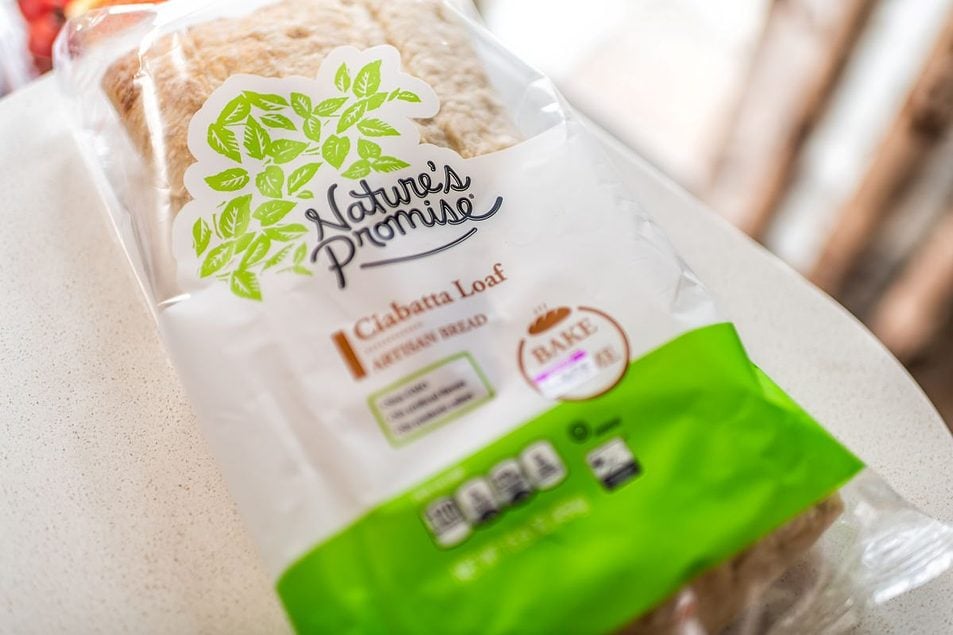
Other categories where shoppers are willing to try private brand items include breakfast foods (cited by 49%), such as cereal, granola and oatmeal; fresh produce (46%), such as bagged salad and cut fruits and vegetables; meal ingredients (43%) like pasta, baking mixes, condiments, spices and canned goods; fresh prepared foods (40%), such as heat-and-eat entrees and sides, as well as dips and hummus; and baked foods (39%) like packaged cookies, bread and buns.
Private labels, too, have become a primary option for many shoppers focused on health and wellness, according to the Daymon report. Of consumers polled, 93% said private brands are the same as or better than national brands in terms of products that fit their lifestyles. Eighty-seven percent had the same view for store brands when it comes to choosing products with better-for-you ingredients. Similarly, 37% said nutrition-related packaging claims would make them more apt to try a new or different private label product.
“Private brands are commanding shopper loyalty,” said Dave Peacock, chief executive officer of Advantage Solutions, “and the retailers who win will be the ones who translate that intelligence into better products, sharper execution and experiences that keep shoppers coming back.”
#Consumers #seek #private #brands
About the Author