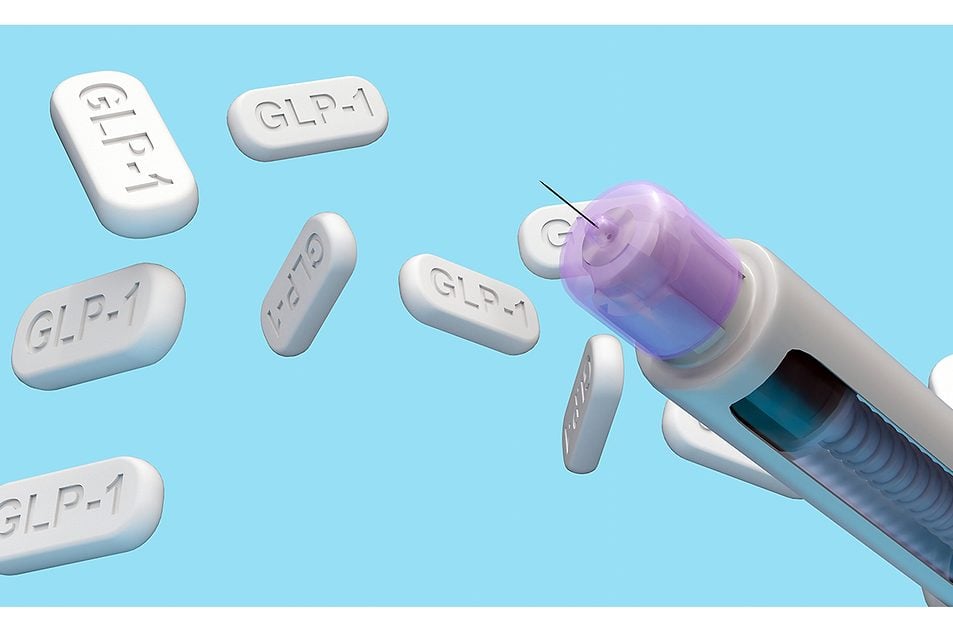
CHICAGO — The introduction of oral GLP-1 medications is expected to increase the GLP-1 user base and further impact the retail food and beverage industry in 2026, according to a new report from market researcher Big Chalk Analytics, a consumer packaged goods consultancy.
The report found GLP-1 adoption has continued to increase across the United States, rising to 13.1% of US adults in June 2026 from 12% in November 2025. While the increase came prior to the widespread availability of the oral medication varieties, Big Chalk identified that such pills may open opportunities with new users and reopen doors with prior GLP-1 users due to the less invasive format.
Among Americans who have never taken GLP-1s but are considering beginning treatment in the next 12 months, 25.1% cite the pill option as the primary factor influencing their desire to begin treatment, and among the 9.3% of Americans who have discontinued GLP-1 treatments, 44.1% say they are considering resuming treatments because of pill options. Such interest could result in GLP-1 penetration reaching nearly 20% of the US adult population within two years, and the pill format could expand the active GLP-1 user population by as much as 50% by 2027, according to Big Chalk.
“The US GLP-1 user population is large and growing, and current government policy and drug-provider pricing strategies are breaking down adoption barriers and may make it grow faster,” said Rick Miller, partner and marketing effectiveness practice lead at Big Chalk. “But the big gamechanger appears to be GLP-1 in pill format. Consumer demand for the pill is strong — especially among prior GLP-1 users who at present have discontinued treatment. If the option for pill format brings these prior users back on a protocol — or advances deeper penetration into the non-user population — the pressure on food brands will expand further.”

Two product categories that may unexpectedly be impacted include coffee and granola.
| Photo: ©DIMASOBKO – STOCK.ADOBE.COMThe continued adoption of GLP-1 medications has led Big Chalk to update its forecast on the impact of GLP-1s on food CPG dollar sales and volume. The company now expects dollar sales to be reduced by 1.1% to 2.7% in 2026, equivalent of between $9 billion and $21 billion in annual grocery spending, due to GLP-1 medications. Volume is now expected to decline within the range of 1.4% to 3.4% in 2026, an increase from Big Chalk’s end-of-year prediction of 1.1% to 3.1%.
While categories such as salty snacks and candy are among those most likely to see a disproportionate reduction in consumption due to GLP-1s, users are additionally trading down in pack sizes in unexpected areas, including granola and coffee, according to Big Chalk.
“GLP-1 users are shifting to smaller pack sizes at higher rates than average US consumers in all of Big Chalk’s bellwether categories, which is not surprising,” Miller said. “What is surprising is some of the differences in behavior by category. We expect to see more pack trade-offs in potato chips, soft drinks and cold cereal — but we also see outsized pack trade-offs in coffee and granola, which implies two emerging trends in the GLP-1 population: a general decrease in snacking, even for snacks usually considered ‘healthy,’ and overall collateral damage that is spreading to categories that should not be greatly affected by GLP-1 status.”
In addition to their impact on the retail food and beverage market, oral GLP-1 medications are expected to account for 20% of total GLP-1 drug sales by 2031, with a pill market that is estimated to grow from $3.2 billion in 2025 to $34.3 billion in 2031, according to GlobalData.
#Oral #GLP1s #rapidly #expanding #user #base
About the Author