AUSTIN, MINN. – A challenging retail environment hindered Hormel Foods Corp. during the second quarter of fiscal 2026. In the company’s Retail business unit, its largest, quarterly volume fell 2% and sales were flat.
The company raised some prices before the quarter that were “fully reflected on shelf,” said John Ghingo, president of the company, during a May 28 conference call to discuss second-quarter results. He added elasticities were in line with expectations.
“That said, we have a few opportunities across our portfolio where we can do better,” Ghingo said. “In some cases, this reflects near-term timing related to dynamics, including promotional lapping, where we have good visibility to recovery.”
Retail unit sales of $1.79 billion rose less than 1% during the quarter, up from $1.78 billion the year before. Pounds of products sold during the quarter fell 2.1% to 663 million lbs from 677 million lbs.
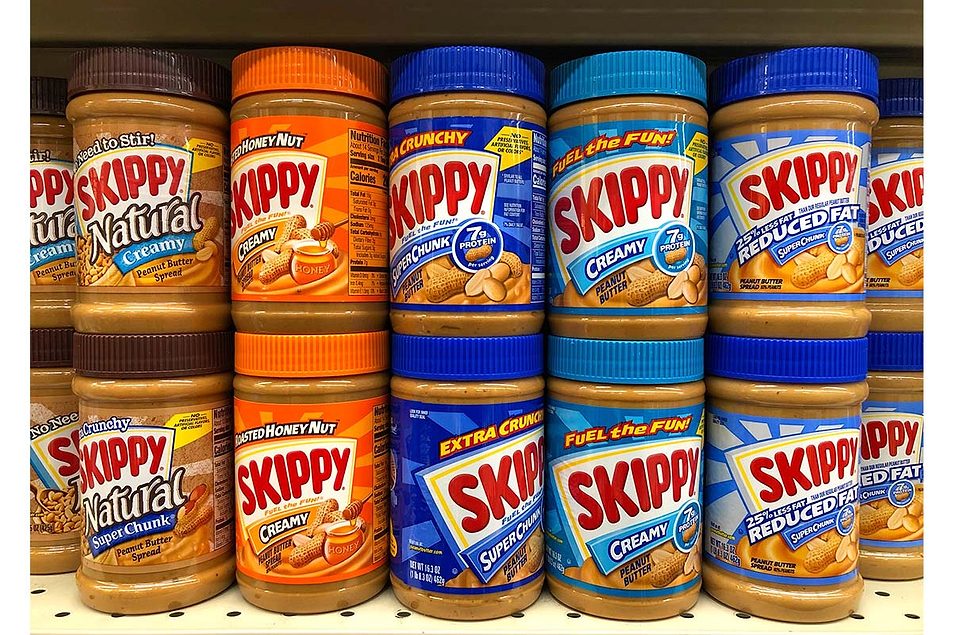
Ghingo said in some places, Hormel’s Retail business is seeing more “structural pressure” that will require more targeted actions. Two brands highlighted as challenging by management included Planter’s snacks and Skippy peanut butter.
“I would say Planter’s didn’t fully meet our expectations for the quarter and while peanuts are performing well, some of the more expensive nut types, like cashews, have not been performing as well,” Ghingo said. “So, Skippy had a softer first half of the year in terms of consumption. You’ll recall that at the very end of last year, we announced that we had a fire at our Little Rock (Ark.) facility. We rebounded from that fire very quickly, went back into full supply, but we did make a decision in the immediate aftermath of the fire to be conservative with our customers and pull some first half promotions.
“And, so, we’ve been working our way through some darkness in terms of promotions. We are now fully back in business.”
Despite the weakness, the Retail business unit operating income rose 13% to $156 million, up from $137 million the year before. Productivity gains during the quarter supported the business unit’s performance.

Hormel Foods’ Foodservice business unit sales rose 6% during the quarter.
| Photo: ©WEYO – STOCK.ADOBE.COMHormel Foods’ Foodservice business unit fared better during the quarter, with sales rising 6% to $997 million, up from $936 million the year before. Foodservice pounds of products sold rose less than 1%, but segment operating income rose 11% during the quarter to $156 million from $141 million.
“Brands such as Hormel Natural Choice. Austin Blues, Jenny-O and Fontanini delivered strong performances,” Ghingo said. “Just as important, profitability improved in the Foodservice segment as market-based pricing went into effect and we realized some cost benefits across our supply chain.
“As a result, we saw gross margin expansion and a segment profit increase of 11% for the second quarter. In an environment where traffic remains pressured, we’ve been able to consistently deliver growth. Our solutions-based portfolio, combined with our direct sales force, remained a clear competitive advantage in the quarter.”
For the quarter ended April 26, Hormel Foods earned $158 million, equal to 29¢ per share on the common stock, down 12% from $180 million, or 33¢ per share, the year before.
Quarterly sales were $2.97 billion, up slightly from $2.90 billion.
The company reaffirmed its fiscal 2026 guidance of sales in a range between $12.2 billion and $12.5 billion and organic sales growth of 1% to 4%.
“While we expect the back half overall to deliver both top- and bottom-line growth, we now see third quarter adjusted earnings to be more in line with the prior year,” said Jefferey Ettinger, interim chief executive officer. “This reflects expected near-term cost pressures, including certain commodity inputs and higher logistics expenses, as well as actions to rebalance some inventory levels … While this affects quarterly cadence, it does not change it.”
#Retail #remains #challenge #Hormel #Foods
About the Author