Once traditionally linked to breakfast staples and seasonal nostalgia, maple has evolved into a strategic, multifunctional ingredient powering reformulation and innovation across today’s clean label and wellness-driven marketplace.
As brands face mounting competitive and sustainability pressures, regulatory scrutiny, and consumer demand for transparency, maple syrup and maple sugar are emerging as versatile formulation tools. Working with a trusted ingredient partner elevates maple from a simple ingredient to a strategic formulation platform, enabling scalable execution and helping brands capitalize on consumer trends to create innovative products that resonate with today’s health-minded shoppers.
Beyond natural sweetness, maple delivers nuanced flavor complexity, traceable sourcing, familiar ingredient labeling, and inherent sustainability—qualities that make maple uniquely suited for modern product development. For R&D teams navigating sugar reduction targets, flavor differentiation, and values-based purchasing trends, maple offers actionable formulation opportunities across bakery, snacks, and protein applications.
Future-Proof Solutions: Clean Labels & Reformulation
As brands respond to heightened attention around refined sugars and artificial sweeteners, maple offers a recognizable, single-ingredient solution that aligns with reformulation goals. Its clean, naturally sweet flavor supports sugar reduction strategies while delivering ingredient clarity.
Today, nearly 66% of global consumers say clean labels influence their purchasing decisions1—clear evidence that simple, transparent ingredient statements are a standard expectation, not a niche preference.
Across bakery, snacks, and prepared meats, maple enables brands to balance indulgence with transparency. From better-for-you baked goods to sweet-and-savory snack innovations and novel prepared meat applications, maple’s familiar flavor profile and label-friendly appeal help R&D teams meet evolving regulatory, consumer, and competitive pressures—without sacrificing taste or scalability.
Flavor Fusion, Innovation & Differentiation as a Competitive Advantage
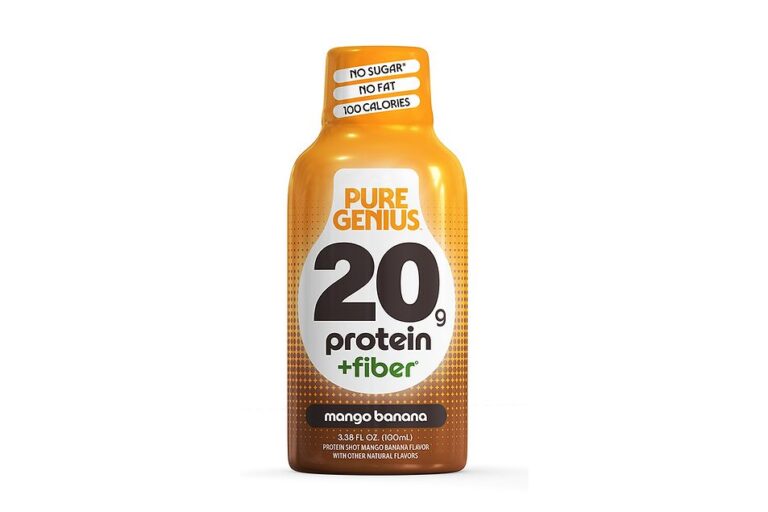
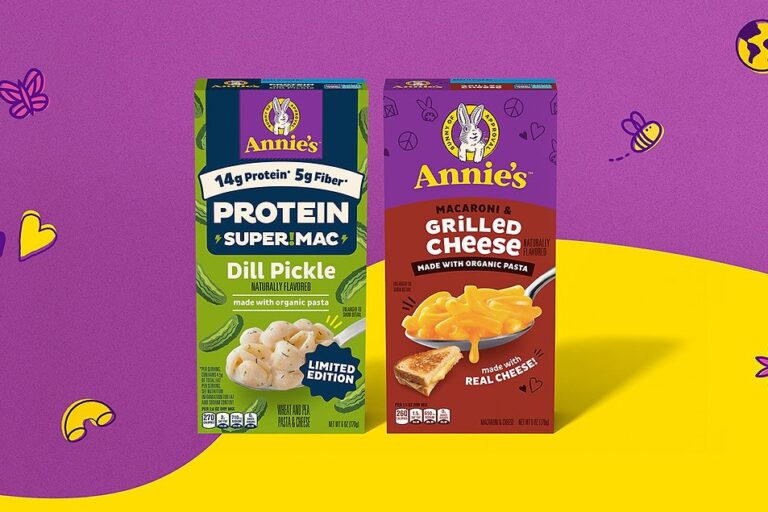
As consumers seek globally inspired, elevated taste experiences, “swicy,” “swalty,” and “swavory” profiles are impacting product innovation. Maple is uniquely positioned to lead this movement—bringing depth of flavor, balance, and natural sweetness to emerging combinations like maple gochujang, maple and protein pairings, and sweet-savory desserts. From spicy snack coatings to pre-seasoned meats and indulgent confections, maple elevates unconventional pairings while delivering a familiar flavor that broadens consumer appeal.
Beyond flavor complexity, maple offers strategic advantages in formulation. Its plant-based origin makes it a vegan alternative to honey in sweet-heat applications, supporting both dietary preferences and label transparency. Whether elevating salty snacks with sweet-salty contrast or driving indulgence in desserts and protein-forward innovations, maple enables brands to differentiate with globally influenced, on-trend flavor pairings—while maintaining clean label integrity and scalable execution.
Naturally Aligned with Wellness & Functional Positioning
As 77% of consumers express a preference for natural sweeteners, wellness-driven reformulation has become a strategic imperative.2 Today’s shoppers—many influenced by GLP-1-aligned diets—are prioritizing nutrient-dense, minimally processed ingredients that deliver more function with fewer calories.
Maple answers this demand with a naturally sourced, clean label sweetening solution that offers functional advantages and integrates easily across food and beverage applications while supporting mindful, better-for-you positioning. With a lower glycemic index than cane sugar and the presence of minerals, antioxidants, and bioactive plant compounds, maple syrup and maple sugar provide more than sweetness alone. For brands navigating the intersection of indulgence and wellness, maple delivers a nutrient-rich alternative that aligns with modern dietary priorities—without compromising flavor or formulation flexibility.
Rooted in Responsibility: Sustainability & Values-Based Purchasing
Alongside rising interest in natural sweeteners, sustainability has become a defining purchase driver—particularly among millennials and Gen Z, who are willing to pay a premium for responsibly sourced products.2 Harvested from long-lifecycle trees that can be tapped for up to 400 years, maple production relies on healthy forests that function as natural carbon sinks, absorbing more carbon dioxide than they release. As a wild crop derived directly from tree sap, maple requires no pesticides under traditional production methods—supporting strong, consumer-facing environmental claims.
For brands navigating cost pressures alongside rising expectations for ethical sourcing, maple provides a rare balance of performance and principle. Its inherent sustainability story strengthens messaging and brand credibility, helping manufacturers connect with environmentally conscious consumers who actively seek—and purchase—products that align with their values.
Strategic Partnership: A Trusted Resource for Modern Reformulation
Backed by eight generations of maple expertise, Bascom Maple Farms combines heritage with modern manufacturing scale to serve as a knowledgeable ingredient partner for today’s product development teams. From technical guidance on optimal maple syrup or maple sugar usage to expert grading, ingredient consistency, and flavor impact, Bascom Maple Farms supports reformulation initiatives aligned with clean label, wellness, and sustainability goals. With scalable customization, reliable supply, and coast-to-coast logistics support, Bascom Maple Farms goes beyond ingredient supply to serve as a strategic resource for brands navigating today’s dynamic market demands.
Sources
1 Innova Market Insights, Global Trends in Clean Label Products, 2025
2 Mintel, Sugars & Alternative Sweeteners – US – 2024
#Maple #Strategic #Ingredient #Smarter #Sweetening
About the Author